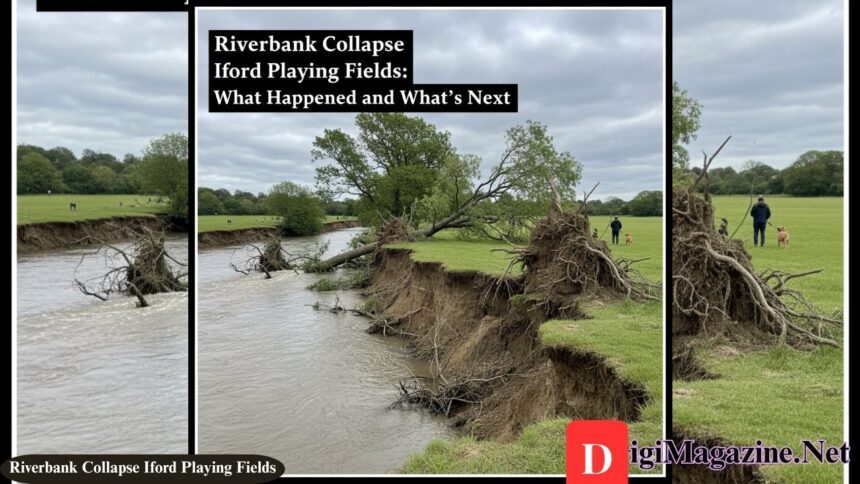
A dramatic incident has left residents and regular visitors to a popular Dorset recreation area concerned after a significant portion of land gave way along the River Stour.
The Incident: When Nature Strikes Suddenly
Trees collapsed into a river after an embankment gave way ‘overnight’ near Iford Playing Fields in Christchurch. The riverbank collapse Iford Playing Fields occurred following a period of strong winds that swept through the area in late May.
A large section of the bank gave way, taking several mature trees with it into the water below. The dramatic scene was discovered by a local dog walker who regularly uses the area’s paths.
Discovery of the Damage
Nicky Adams, who noticed the damage while walking her dogs, described the shocking scene she encountered on May 29. “The photos were taken on May 29,” she explained. “It happened a couple of days previously after the strong winds. I was quite surprised at how much had come away.”
The swift nature of the incident particularly caught her attention. “I hadn’t noticed any changes until this happened. It pretty much happened overnight,” Adams added, highlighting how quickly the embankment failed.
Safety Concerns for a Popular Recreation Spot
The Dorset riverbank collapse Iford Playing Fields has raised understandable concerns about public safety in this well-loved community space. Adams expressed worry about the potential dangers the collapsed section poses to visitors.
She said she is concerned the area could be dangerous, as it is popular for walking, cycling, and paddleboarding. The playing fields and surrounding riverside paths attract families, fitness enthusiasts, and water sports lovers throughout the year.
“Sometimes children play and swim around there in the summer,” she added, pointing to the particular vulnerability of young visitors who may not recognize the hazards posed by the unstable terrain and submerged debris.
Understanding Riverbank Erosion Along the Stour
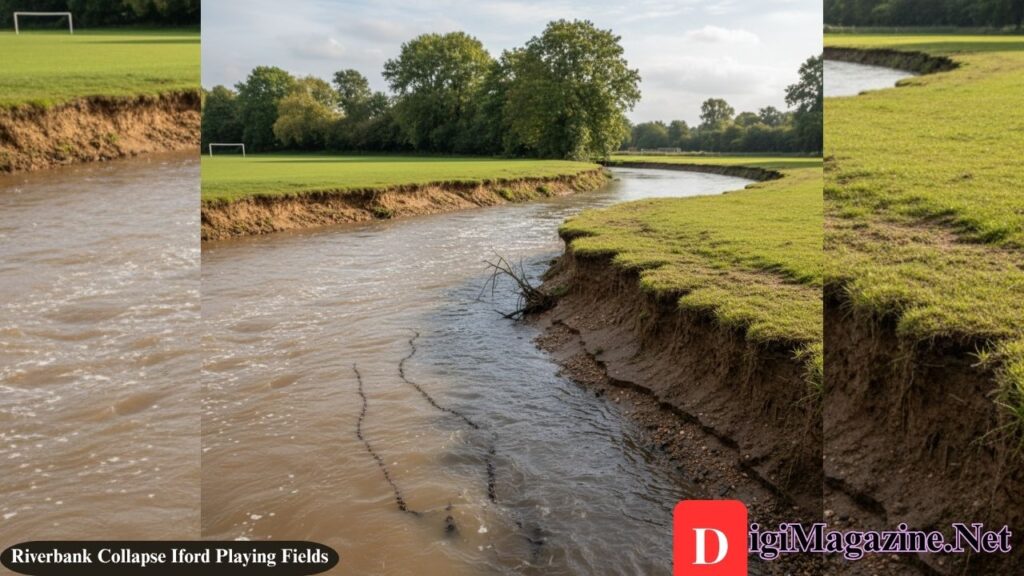
While alarming to witness, riverbank erosion is actually a natural process that occurs along waterways throughout the United Kingdom. Rivers constantly shape and reshape their courses through a combination of water flow, soil composition, and environmental factors.
The River Stour, which flows through this section of Christchurch, is no exception to these natural dynamics. Over time, water currents gradually wear away at the soil and sediment that form riverbanks, particularly during periods of heavy rainfall or strong winds that can accelerate the erosion process.
Official Response from BCP Council
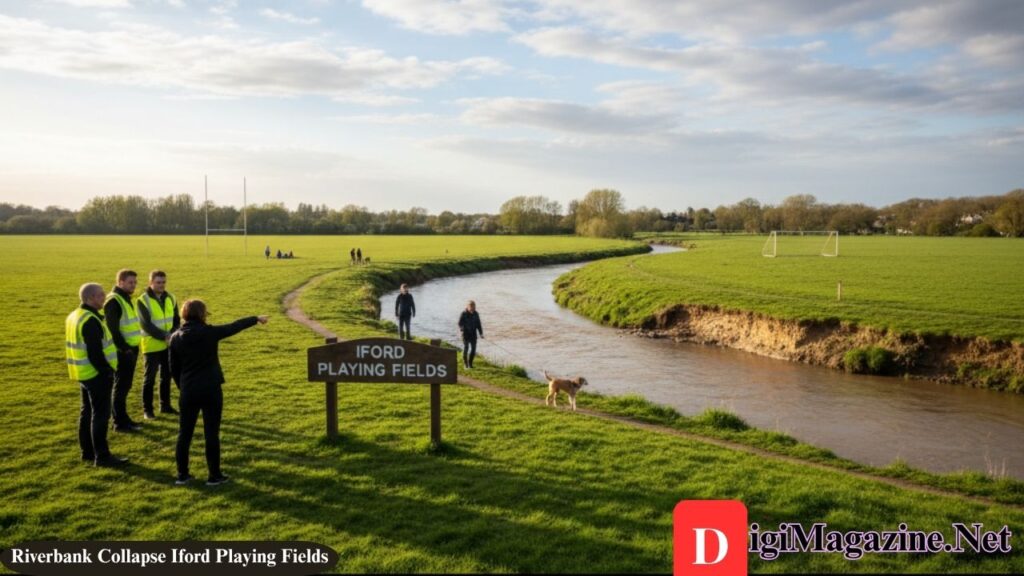
BCP Council has been made aware of the incident and has responded with reassurance about the nature of the event while also acknowledging the community’s concerns.
A spokesperson for the council provided context: “Whilst this is an unusually large section it is part of the natural processes of the river.”
The council noted that erosion of the riverbank is common in this area, though they acknowledged that the scale of this particular collapse was more significant than typical occurrences.
What Happens Next?
The local authority is taking the incident seriously and has outlined its approach to managing the situation. “We are monitoring and seeking advice from partner organisations to determine next steps,” the council spokesperson added.
This measured response indicates that while the collapse is considered part of natural river behavior, officials recognize the need to assess whether any intervention or safety measures are necessary to protect the public and prevent further significant erosion.
The council’s consultation with partner organizations suggests they will draw on expertise from environmental agencies, engineers, and possibly conservation groups to determine the best course of action.
The Broader Impact on the Community
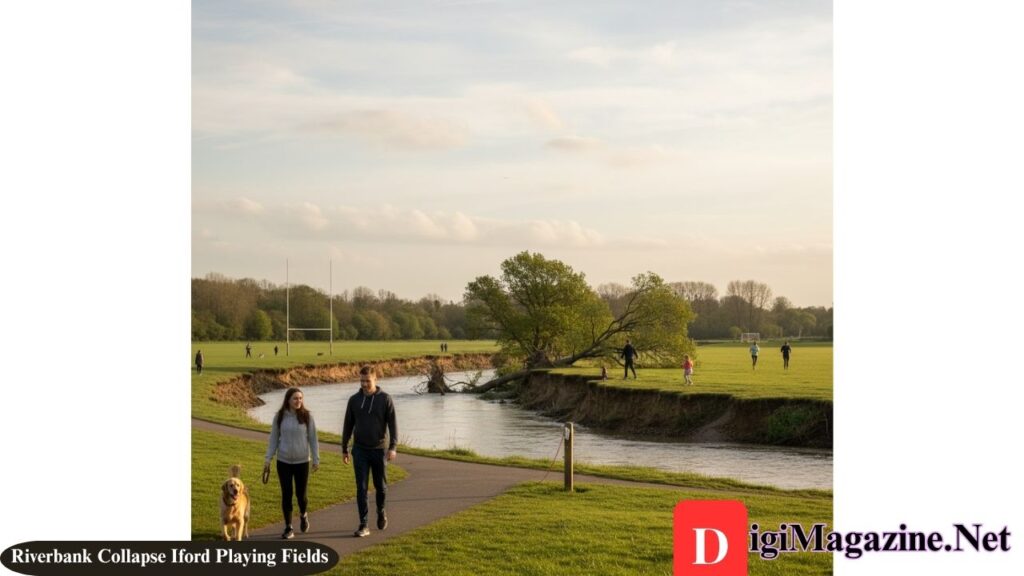
The playing fields and riverside paths serve as an important recreational resource for residents of Christchurch and the surrounding areas. The loss of a section of the embankment, along with the mature trees that once lined it, represents both a safety concern and a change to the landscape that many locals have enjoyed for years.
For regular users of the area, the collapse serves as a reminder of the dynamic nature of river systems and the importance of remaining aware of one’s surroundings when enjoying natural spaces.
Looking Forward
As authorities continue to monitor the site and develop their response plan, visitors to the area should exercise caution near the affected section of the riverbank. Staying away from unstable edges and keeping children supervised near the water remains essential.
The community will be watching closely to see what measures, if any, the council implements to stabilize the bank or enhance safety in the area. Whether through natural regeneration or human intervention, the riverside landscape will gradually adapt to this dramatic change, though the process may take considerable time.
For more information, visit Digi Magazine.