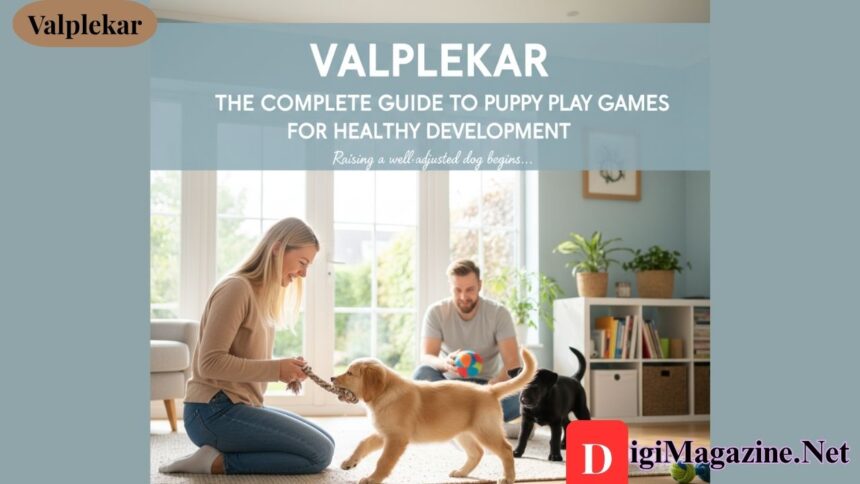
Raising a well-adjusted dog begins during the puppy stage, and one of the most effective methods comes from a Swedish approach known as valplekar. This structured form of puppy play has gained recognition worldwide for its remarkable impact on canine development and behavior.
Understanding Valplekar: More Than Just Puppy Fun
What Valplekar Really Means
The term valplekar originates from Sweden, combining “valp” (puppy) and “lekar” (games or play). It represents a thoughtful approach to puppy interaction that goes far beyond simple playtime. This method involves carefully planned play sessions designed to support young dogs through critical developmental stages.
Unlike casual roughhousing or unmonitored play, valplekar follows specific principles that maximize learning opportunities while ensuring safety. The structured nature of these activities helps puppies develop essential life skills in a controlled, positive environment.
Why Puppy Development Needs Structure
Young dogs experience rapid physical and mental growth during their first months. Every interaction shapes their future behavior, temperament, and ability to handle stress. Structured play provides predictable patterns that help puppies understand boundaries and expectations.
Random roughhousing, while entertaining, can inadvertently teach inappropriate behaviors. Puppies might learn that biting hard is acceptable, or that ignoring signals to stop is fine. Valplekar addresses these concerns by incorporating clear rules and consistent responses into play activities.
The Critical Difference in Approach
Structured play differs from random interaction in several fundamental ways. It includes intentional start and stop signals, appropriate toy selection, and awareness of energy levels. The goal extends beyond entertainment to encompass education and emotional development.
The Core Purpose Behind Valplekar

Socialization Through Guided Interaction
ValplekarSocialization ranks among the most crucial aspects of puppy development. Valplekar creates safe opportunities for young dogs to interact with littermates, other puppies, and humans. These controlled encounters teach appropriate social cues and response patterns.
During these play sessions, puppies learn to read body language from other dogs. They discover how to approach unfamiliar dogs politely and recognize when another dog wants space. These lessons prove invaluable throughout their lives.
Building Confidence One Game at a Time
Confidence develops when puppies successfully navigate new challenges. Valplekar introduces novel experiences gradually, allowing young dogs to explore without overwhelming them. Each positive interaction strengthens their belief in their ability to handle unfamiliar situations.
A confident puppy approaches life with curiosity rather than fear. Through structured play, they learn that new experiences often lead to fun and rewards. This foundation helps them become adaptable, resilient adult dogs.
Creating Positive Associations
The experiences puppies have during their early weeks create lasting impressions. Valplekar ensures that encounters with people, objects, sounds, and environments remain positive. This approach helps prevent the development of fears and phobias later in life.
When puppies associate new stimuli with play and enjoyment, they’re less likely to develop anxiety. For example, a puppy who plays games involving various textures learns that different surfaces are safe to walk on.
Reducing Fear and Anxiety
Fear and anxiety in adult dogs often stem from inadequate early socialization or negative experiences during puppyhood. Valplekar addresses this by providing controlled exposure to potentially scary situations within a positive context.
Play sessions might include a gentle introduction to common household sounds, different types of people, or various handling techniques. By pairing these exposures with fun activities, puppies learn to remain calm rather than fearful.
Key Principles That Make Valplekar Effective

Age-Appropriate Activities
Not all play suits every developmental stage. Young puppies need gentler, shorter sessions that don’t overtax their growing bodies. As they mature, activities can become more complex and physically demanding.
Understanding developmental milestones helps caregivers select appropriate games. A six-week-old puppy benefits from different activities than a four-month-old puppy. Matching activities to developmental stages prevents frustration and injury.
Balancing Structure and Freedom
The best play sessions combine structured activities with opportunities for free exploration. Structured elements provide learning opportunities and boundaries, while unstructured time allows puppies to practice skills independently and express their personalities.
Too much structure can stifle natural behaviors and curiosity. Conversely, too little structure may result in missed learning opportunities or the development of undesirable habits. Finding the right balance creates optimal learning conditions.
Establishing Clear Boundaries
Puppies thrive when they understand expectations. Valplekar incorporates consistent signals that indicate when play starts, when intensity should decrease, and when activities end. These boundaries help puppies develop self-control and responsiveness.
Clear boundaries also protect puppies from overwhelming situations. When they learn that certain signals mean “calm down” or “stop,” they develop the ability to regulate their excitement and energy levels.
The Power of Consistency
Consistency in training methods, signals, and responses creates a predictable environment where learning flourishes. When all family members use the same cues and enforce the same rules during play, puppies learn faster and display less confusion.
Inconsistent approaches confuse young dogs and slow their progress. If one person allows rough play while another discourages it, the puppy struggles to understand what behavior is actually acceptable.
Remarkable Benefits of Valplekar

Supporting Physical Development
Play provides essential exercise that strengthens muscles, improves coordination, and promotes healthy bone development. Valplekar activities are designed to encourage natural movement patterns that support proper physical growth.
Running, jumping, climbing, and wrestling during play sessions develop motor skills and body awareness. These activities help puppies learn their physical capabilities and limitations in a safe environment.
Mental Stimulation and Problem-Solving
Puppies possess active minds that require regular challenges. Games that involve finding hidden toys, learning new commands, or figuring out how to access treats stimulate cognitive development and prevent boredom.
Problem-solving activities build neural connections that enhance learning ability throughout life. Puppies who regularly engage in mentally stimulating play often display better focus and trainability as they mature.
Emotional Regulation Skills
Learning to manage excitement, frustration, and arousal is essential for well-behaved dogs. Valplekar teaches puppies to transition between high-energy play and calm behavior, developing emotional flexibility and self-control.
Games with built-in pauses help puppies practice calming themselves. They learn that excitement doesn’t have to escalate indefinitely and that they can choose to settle down even when stimulated.
Strengthening Human-Animal Bonds
Play creates positive associations between puppies and their human family members. Shared activities build trust, communication, and affection. These early bonding experiences lay the foundation for a strong lifelong relationship.
Interactive play also helps humans learn to read their puppy’s signals and preferences. This mutual understanding improves communication and strengthens the emotional connection between them.
Learning Canine Communication
Playing with other puppies provides irreplaceable lessons in dog-to-dog communication. Young dogs learn the subtle signals that convey intentions, emotions, and boundaries. They practice using these signals themselves and interpreting them from others.
Puppies who miss these social learning opportunities often struggle to interact appropriately with other dogs throughout their lives. Valplekar ensures they receive adequate practice in canine social skills.
Diverse Types of Puppy Play Activities
Interactive Games with Toys
Toys add variety and excitement to play sessions. Fetch games teach puppies to follow moving objects and return to their handlers. Tug toys help them understand appropriate bite strength and the concept of releasing on command.
Puzzle toys that dispense treats combine play with problem-solving. These activities keep puppies engaged while rewarding their efforts, making learning feel like fun rather than work.
Socialization with Other Puppies
Puppy play groups provide valuable opportunities for social learning. Young dogs learn bite inhibition when playmates yelp if bitten too hard. They practice polite greeting behaviors and discover how to initiate play appropriately.
Supervised puppy playtime allows for intervention if interactions become too rough or if one puppy appears overwhelmed. This guidance helps all participants have positive experiences.
Games Without Props
Not every activity requires equipment. Chase games, gentle wrestling, and hide-and-seek engage puppies without toys. These activities emphasize interaction and bonding rather than object possession.
Games without props also prove useful when traveling or in situations where toys aren’t available. Puppies learn that fun happens through interaction with their humans, regardless of external objects.
Energy-Appropriate Activities by Breed
Different breeds possess varying energy levels and physical characteristics. High-energy breeds like Border Collies need more intense, longer play sessions than calmer breeds like Bulldogs. Understanding breed tendencies helps tailor activities appropriately.
Large breed puppies require careful activity selection to protect their developing joints. Lower-impact games suit them better than high-jumping activities. Small breed puppies, meanwhile, can handle more energetic play relative to their size.
Implementation Guidelines for Success
When to Start and How Often
Puppies can begin valplekar activities as soon as they arrive in their new homes, typically around eight weeks of age. Initial sessions should last just five to ten minutes, several times daily, gradually increasing as the puppy matures.
Frequency matters more than duration for young puppies. Multiple short sessions throughout the day provide learning opportunities without causing fatigue. As puppies grow, session length can extend while frequency may decrease slightly.
Safety Considerations
Safety must remain the top priority during all play activities. Ensure play areas are free from hazards, provide appropriate footing to prevent slips, and monitor interactions to prevent accidental injuries.
Avoid games that encourage jumping from heights, as this can damage developing joints. Similarly, excessive stair climbing should be limited for large breed puppies. Always supervise interactions with other dogs to ensure play remains appropriate.
Reading Puppy Body Language
Understanding canine body language helps caregivers recognize when play is healthy versus when intervention is needed. Play bows, loose body movements, and open mouths indicate enjoyment. Stiff posture, tucked tails, or pinned ears suggest discomfort.
Learning these signals allows for timely intervention before negative experiences occur. It also helps caregivers understand their individual puppy’s preferences and comfort levels.
Managing Bite Inhibition
Puppies explore the world with their mouths, but they must learn to control bite strength. When puppies bite too hard during play, yelping or withdrawing attention teaches them that hard bites end fun interactions.
Consistent responses help puppies develop soft mouths. Never punish mouthing behavior, as this can create fear or aggression. Instead, redirect to appropriate chew toys and reward gentle interaction.
Common Challenges and Solutions
Working with Shy or Fearful Puppies
Some puppies display hesitation or fear during new experiences. These individuals need extra patience and slower introductions. Allow them to observe activities from a safe distance before participating.
Never force fearful puppies into situations that terrify them. Instead, use treats and encouragement to build positive associations gradually. Celebrate small victories and progress at their individual pace.
Managing Overly Energetic Puppies
High-energy puppies can struggle with self-control during play. These individuals benefit from games that incorporate frequent pauses and calm behaviors. Teaching “settle” commands during exciting activities helps develop impulse control.
Ensure these puppies receive adequate physical exercise and mental stimulation throughout the day. Sometimes excessive play energy stems from insufficient overall activity.
Setting Limits on Play Intensity
Play can escalate from appropriate to too rough. Watch for signs that intensity is climbing too high, such as hard biting, body slamming, or vocalization that sounds distressed rather than playful.
When play becomes too intense, interrupt with a calm command and redirect to a quieter activity. This teaches puppies that excessive arousal leads to play ending, encouraging self-regulation.
Teaching Start and Stop Signals
Clear communication about when play begins and ends helps puppies develop responsiveness and self-control. Use consistent verbal cues like “let’s play” and “all done” paired with body language.
Practice these signals regularly until the puppies reliably respond. This skill proves valuable throughout life, helping dogs understand when it’s time for excitement versus calm behavior.
Long-Term Impact of Valplekar
Building Well-Adjusted Adult Dogs
The foundation laid during puppyhood influences adult behavior profoundly. Dogs who experienced structured play typically display better social skills, confidence, and adaptability than those who lacked these opportunities.
Well-adjusted dogs navigate life’s challenges more easily. They handle veterinary visits calmly, greet strangers appropriately, and remain comfortable in various environments. These qualities make them enjoyable companions and easier to manage.
Prevention of Behavioral Problems
Many common behavioral issues in adult dogs stem from inadequate socialization or negative experiences during puppyhood. Valplekar addresses these root causes by ensuring positive early experiences.
Dogs who engage in structured puppy play are less likely to develop aggression, excessive fearfulness, or anxiety-related behaviors. The investment in proper early development pays dividends throughout the dog’s lifetime.
Confidence in Various Environments
A well-socialized puppy grows into a dog who handles new situations with composure. Whether encountering unfamiliar people, visiting new locations, or experiencing novel sounds, these dogs maintain their confidence.
This adaptability makes life more enjoyable for both dogs and their families. Confident dogs can accompany their people on adventures, travel comfortably, and adjust to changes in routine without excessive stress.
Conclusion
Valplekar represents a comprehensive approach to puppy development that yields impressive results. By combining structured activities with clear principles and consistent application, this method helps puppies grow into confident, well-behaved, socially skilled adult dogs.
The time invested in proper puppy play during those critical early months creates a strong foundation for a lifetime of positive behaviors and experiences. Whether introducing a puppy to household life or supporting development in a breeding program, Valplekar principles provide valuable guidance for anyone committed to raising exceptional dogs.
Every puppy deserves the opportunity to learn, explore, and grow through positive, structured play experiences. By embracing Valplekar concepts, caregivers give their puppies the best possible start in life.
For more information, visit Digi Magazine.