What is “Bảce”?
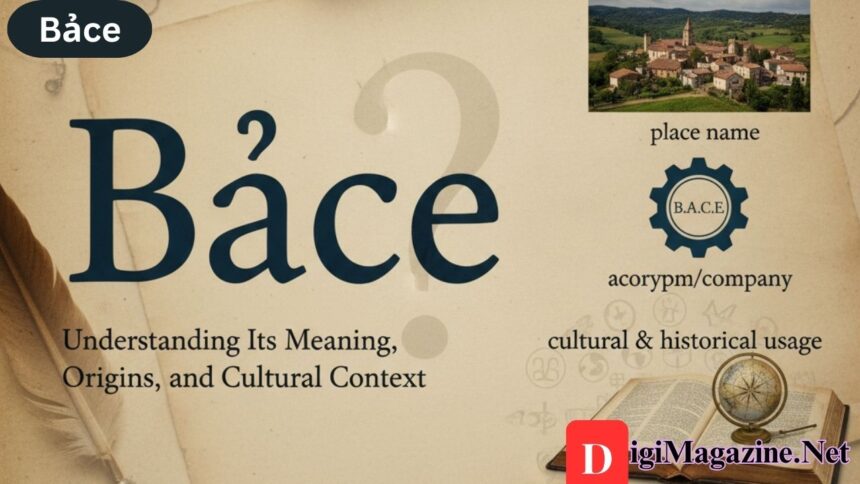
The word “bảce” is unusual at first glance, especially because of the accent mark over the letter “a.” That diacritic suggests it could come from a language like Vietnamese, where tones and accent marks change the entire meaning of a word. However, in most cases where “bảce” appears online, it is more likely connected to the word “Bace”, which is used as a place name, an acronym, a company name, or even an old spelling variation in English. Understanding what bảce means depends heavily on the context where it is used. Sometimes it refers to a village, sometimes to an organization, and in other cases it is linked to cultural or historical usage. This is why when people encounter the word, they often search for its definition, hoping to find clarity.
The Linguistic Origins of Bảce
When examining the term from a linguistic perspective, the accent mark plays a crucial role. In Vietnamese orthography, the hook above the letter “a” represents a specific tone that affects pronunciation and meaning. This particular diacritic is called a “hỏi” tone mark, which creates a dipping, questioning sound when spoken. The presence of this mark immediately signals to those familiar with Vietnamese that the term has roots in Southeast Asian language systems.
However, without the accent mark, “Bace” takes on entirely different meanings across various contexts. The transformation from an accented to a non-accented version demonstrates how written language can bridge multiple cultural interpretations. Linguists find such examples fascinating because they show how a single term can exist in multiple language systems simultaneously.
Historical Context and Usage
Throughout history, words travel across borders and transform along the way. The evolution of language means that terms absorb new meanings as they encounter different cultures. In medieval English, for instance, spelling variations were common, and “bace” appeared as an alternative spelling for “base” in some manuscripts. This historical usage adds another layer to understanding the term’s complexity.
In geographical contexts, several European locations bear similar names. These place names often derive from old words meaning “valley,” “stream,” or other natural features. When settlers named locations, they frequently chose words from their native languages that described the landscape. Over centuries, these names persisted even as languages evolved around them.
Modern Interpretations and Applications

In contemporary usage, the term appears in various professional and organizational contexts. Several companies and institutions incorporate it into their names, often as an acronym representing their mission or services. The business world frequently creates such acronyms to establish memorable brand identities.
Educational institutions sometimes use similar terms in their naming conventions, especially when establishing programs that focus on cultural exchange or language studies. The academic world values terms that carry multiple cultural resonances, as they reflect the interconnected nature of modern scholarship.
Cultural Significance in the Vietnamese Context

For Vietnamese speakers, any word beginning with these letters and carrying tonal marks immediately connects to their linguistic framework. The Vietnamese language relies heavily on tones to differentiate meanings, making accent marks essential rather than decorative. A word pronounced with one tone can mean something completely different when spoken with another tone, even if the letters remain identical.
This tonal system developed over centuries of linguistic evolution in Southeast Asia, influenced by interactions with neighboring languages and cultures. Understanding this context helps explain why a seemingly simple term can carry such a nuanced meaning for those familiar with Vietnamese phonology.
Common Confusions and Clarifications
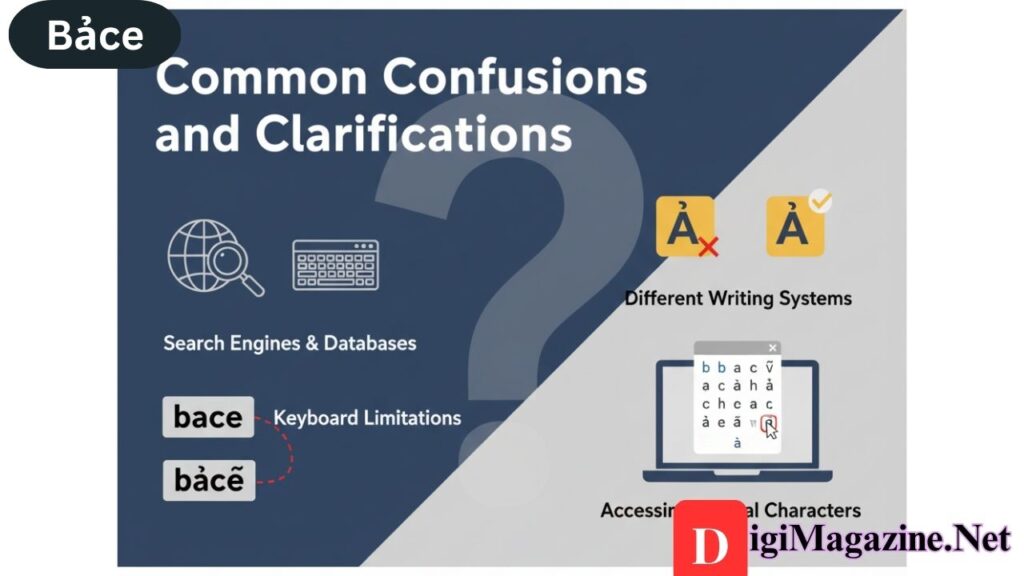
Many people encounter confusion when they see accented characters in otherwise familiar-looking words. This confusion stems from the way different writing systems coexist in our globalized digital world. Search engines and databases sometimes struggle with diacritical marks, leading users to search for both accented and non-accented versions of terms.
The challenge becomes even more pronounced when considering how different keyboards and devices handle special characters. Someone using a standard English keyboard might type “bace” when they actually mean to write the accented version, simply because they lack easy access to the proper diacritic marks.
Geographical References and Place Names
Several locations across Europe share similar names, though spelled in various ways. These geographical designations often trace back to ancient languages that predated modern national borders. In some regions, the name refers to small villages or districts that maintain historical significance for local communities.
Place names serve as linguistic time capsules, preserving words and meanings that might otherwise disappear from everyday speech. Researchers studying toponymy—the study of place names—find such examples valuable for understanding how human settlements evolved and how languages influenced each other across regions.
Organizational and Institutional Usage
Various organizations incorporate this term into their official names, whether as an acronym or as a word carrying a specific meaning within their field. Professional associations, research institutes, and educational programs sometimes choose names that resonate across multiple languages or cultures, reflecting their international scope.
In the business sector, companies select names that project certain qualities or values. A name that works across different languages can be particularly valuable for organizations planning to operate in multiple markets. The ability of a term to maintain recognition across language barriers makes it an attractive choice for branding purposes.
Technical and Scientific Applications
In technical fields, acronyms using these letters might represent specific processes, methods, or technologies. Scientific nomenclature often borrows from various languages, creating terms that specialists recognize regardless of their native tongue. This practice helps establish universal terminology within specific disciplines.
Research institutions sometimes develop project names or program titles that incorporate such terms, especially when their work involves international collaboration. The scientific community values terminology that transcends linguistic boundaries, facilitating communication among researchers from different countries.
Digital Presence and Online Context
Online, the term appears in various contexts, from social media usernames to website domains. The digital age has created new opportunities for words to gain visibility and new meanings. Internet users often encounter terms without their original cultural context, leading to reinterpretation and adaptation.
Search engine behavior with accented characters presents its own interesting phenomenon. Some search platforms automatically suggest non-accented alternatives, while others treat accented and non-accented versions as distinct searches. This technical consideration affects how information gets organized and discovered online.
Linguistic Evolution and Future Trends
Language continues to evolve, and terms migrate between languages and contexts with increasing frequency. The globalized nature of modern communication means that words can spread rapidly across cultures, acquiring new associations and meanings along the way. What begins as a specific cultural term might eventually enter common usage in entirely different linguistic communities.
Future linguistic trends suggest that accent marks and special characters will become more standardized in digital communication as technology improves. Better support for international characters on keyboards and in software will likely reduce confusion surrounding such terms.
Practical Implications for Language Learners
For those studying Vietnamese or other tonal languages, understanding the importance of diacritical marks proves essential. These marks are not optional decorations but fundamental components of the writing system. Language learners must train their ears to hear tonal differences and their eyes to recognize written distinctions.
This learning process challenges speakers of non-tonal languages, who must develop entirely new linguistic awareness. However, mastering these concepts opens doors to understanding how millions of people communicate and how languages can structure meaning in radically different ways.
Conclusion: Context Determines Meaning
Ultimately, understanding any term requires considering the context in which it appears. The same letters arranged in the same order can point to completely different concepts depending on cultural background, linguistic tradition, and situational usage. This flexibility demonstrates both the richness and complexity of human language.
Whether encountered in a geographical context, as part of an organizational name, in Vietnamese text, or as a historical spelling variation, each instance carries its own significance. Rather than seeking a single definitive meaning, observers benefit from appreciating how the term functions within its specific context, recognizing that language serves as a living, evolving tool for human expression and communication.
For more information, visit Digi Magazine.