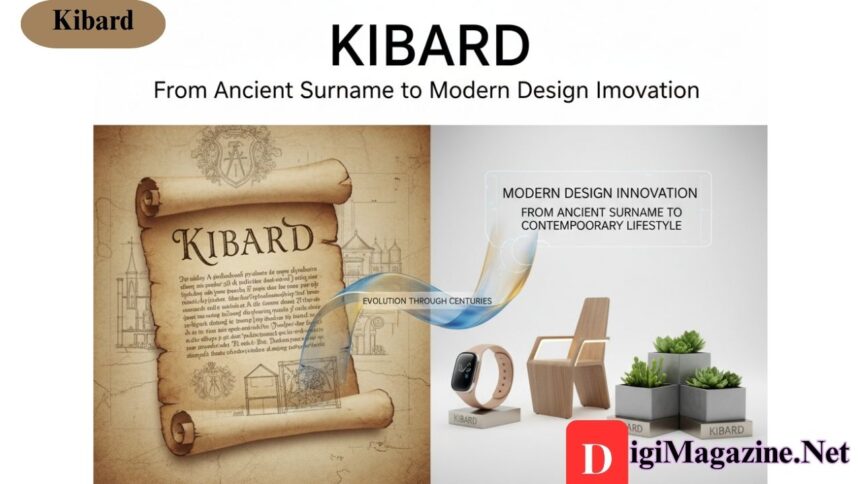
The term Kibard carries a rich tapestry of meaning that spans centuries, connecting medieval craftsmanship to contemporary design philosophy. Whether encountered as a family name with deep historical roots or as a symbol of modern lifestyle innovation, this unique identifier has evolved remarkably over time.
The Historical Roots of the Kibard Surname
Etymology and Ancient Origins
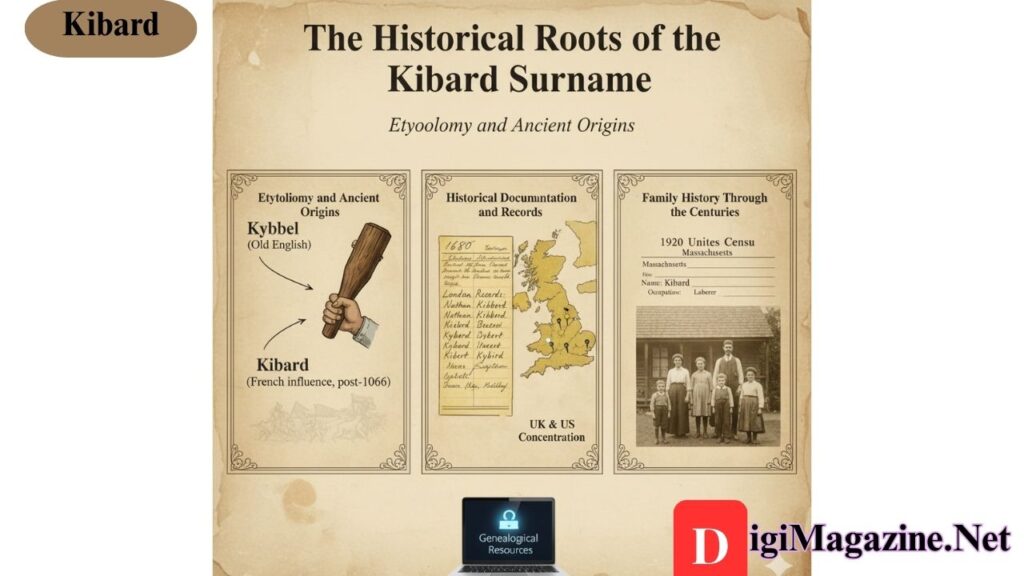
The surname traces its ancestry back to Old English traditions, originating from the word “Cybbel,” which referred to individuals who crafted or wielded cudgels—short, thick sticks used as weapons or tools in medieval times. This occupational connection reflects how surnames often emerged from the trades and skills that defined families in historical communities.
Throughout medieval England, the name underwent several transformations. The evolution from “Kybbel” to “Kibble” demonstrates the natural linguistic shifts that occurred as spoken language changed across generations. The addition of the French suffix “ard,” meaning “son of,” created variations that would eventually become recognized family names. This French influence likely entered English naming conventions following the Norman Conquest of 1066, when French linguistic elements became integrated into English culture.
Historical Documentation and Records
The first officially recorded spelling appears in London records from 1680, documenting an individual named Nathan Kibberd. This documentation marks an important milestone in genealogical research, providing a concrete starting point for families tracing their lineage. Historical records reveal numerous spelling variations, including Kyberd, Kibert, Kybird, and Kybert—a common phenomenon before spelling standardization became widespread.
Geographic distribution patterns show the surname primarily concentrated in the United Kingdom and the United States, suggesting migration patterns that followed broader English-speaking population movements. These concentrations provide valuable clues for genealogists and family historians researching their ancestral connections.
Family History Through the Centuries
The 1920 United States Census documented one family bearing this surname residing in Massachusetts, offering a snapshot of American settlement patterns during the early 20th century. Census records indicate that individuals with this surname primarily worked as laborers, reflecting the working-class occupational patterns common among immigrant families establishing themselves in America.
Today, genealogical resources provide unprecedented access to historical records, enabling families to trace their heritage through birth certificates, marriage records, immigration documents, and census data. These resources continue expanding as digitization efforts make historical documents more accessible to researchers worldwide.
The Modern Design Philosophy
A Contemporary Symbol of Innovation
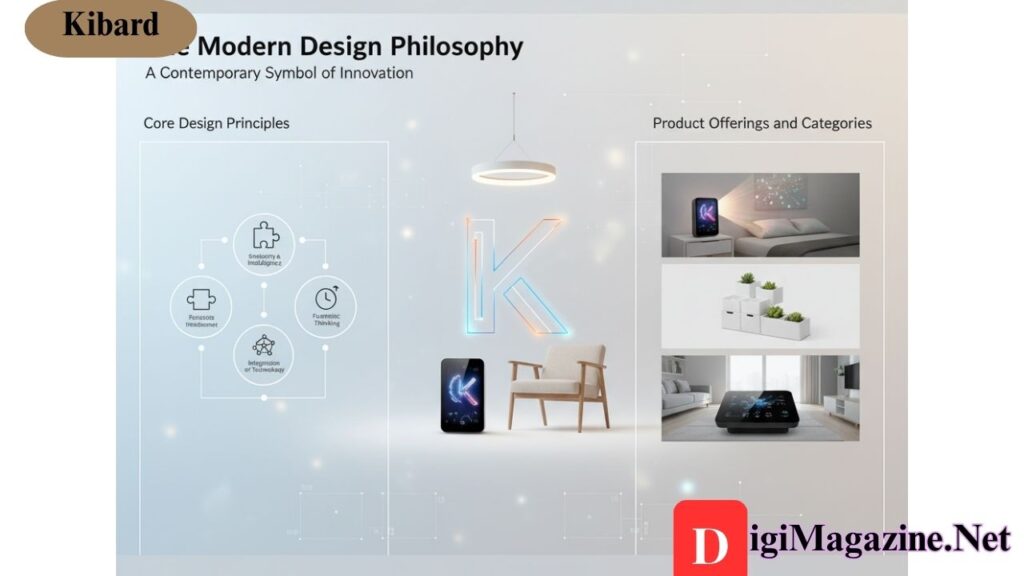
In recent years, the name has evolved beyond its historical origins to represent something entirely different—a modern approach to design that emphasizes creativity, innovation, and lifestyle enhancement. This transformation illustrates how names and brands can reinvent themselves while maintaining their unique identity.
The contemporary design philosophy embodies a harmonious blend of minimalism, functionality, and aesthetic appeal. This approach resonates with modern consumers who seek products that simplify their lives while adding beauty to their environments. The philosophy recognizes that truly great design should be both invisible in its complexity and obvious in its utility.
Core Design Principles
The design methodology rests on several foundational principles. Simplicity blended with intelligence creates products that appear effortless yet deliver sophisticated functionality. This balance requires careful consideration of every element, removing unnecessary complexity while preserving essential features.
Futuristic thinking drives the development of multifunctional products that anticipate user needs rather than simply responding to current demands. This forward-looking approach ensures that designs remain relevant as technology and lifestyle preferences evolve. The integration of technology with everyday items transforms ordinary objects into smart solutions that enhance daily routines without overwhelming users with unnecessary features.
Product Offerings and Categories
The product range reflects this design philosophy across multiple categories. Smart clocks and lighting solutions exemplify how traditional household items can incorporate technology to improve functionality. These products might feature customizable displays, ambient lighting that adjusts to circadian rhythms, or connectivity with other smart home devices.
Minimalist accessories and organizational items help users maintain clutter-free spaces while keeping essential items accessible and beautifully displayed. Home and lifestyle products extend this philosophy throughout living spaces, creating cohesive environments that support both productivity and relaxation.
Business Ventures and Commercial Presence
Creative Entrepreneurship
The entrepreneurial spirit manifests through creative business ventures that leverage modern technology and artistic expression. One notable example includes an online shop featuring AI-generated art applied to apparel and print-on-demand products. This approach represents the intersection of technology, creativity, and commerce, allowing unique artistic visions to reach consumers without requiring traditional manufacturing infrastructure.
The sustainable and eco-friendly approach to business operations reflects growing consumer awareness about environmental impact. By utilizing print-on-demand services, businesses minimize waste and inventory costs while offering diverse product selections that can quickly adapt to changing trends and customer preferences.
Infrastructure and Construction Services
Beyond creative industries, commercial presence extends into construction and infrastructure maintenance sectors. Companies bearing this name provide comprehensive services encompassing both commercial and residential construction projects. This diversification demonstrates the versatility associated with the name across entirely different market segments.
Infrastructure maintenance specialization addresses the ongoing need for facility upkeep, repairs, and improvements that keep buildings and structures functioning optimally. These services form the backbone of community infrastructure, ensuring safe and efficient operations for businesses and residents alike.
Cultural Significance and Future Trajectory
Contemporary Cultural Relevance
The growing association with smart living and minimalism positions the concept within broader cultural movements emphasizing intentional living and thoughtful consumption. Design communities increasingly recognize and celebrate approaches that prioritize quality over quantity, functionality over ornamentation, and sustainability over disposability.
This recognition reflects changing consumer values, particularly among younger generations who seek products and brands aligned with their personal philosophies. The emphasis on design excellence and purposeful creation resonates with audiences tired of throwaway culture and seeking lasting value in their purchases.
Looking Toward Tomorrow
The expanding influence across technology and lifestyle sectors suggests continued growth and evolution. As smart home technology becomes increasingly sophisticated and accessible, design philosophies that successfully integrate these capabilities into beautiful, user-friendly products will likely gain market share and cultural influence.
Alignment with sustainability trends positions the concept favorably for future development. As environmental concerns drive consumer decision-making and regulatory frameworks, businesses and design philosophies demonstrating genuine commitment to sustainable practices will enjoy competitive advantages. The challenge lies in maintaining authenticity while scaling operations and reaching broader audiences.
The trajectory points toward continued innovation, exploring how emerging technologies like artificial intelligence, augmented reality, and advanced materials can enhance daily life without complicating it. Success will depend on maintaining core principles while adapting to technological possibilities and evolving consumer needs.
Conclusion
From medieval cudgel makers to contemporary design innovators, the journey represents remarkable evolution and adaptability. Whether explored through genealogical research connecting families to their historical roots or through modern products enhancing daily living, the concept demonstrates enduring relevance across vastly different contexts. As both a surname carrying centuries of history and a symbol of forward-thinking design, it bridges past and future, tradition and innovation, craftsmanship and technology.
For more information, visit Digi Magazine.