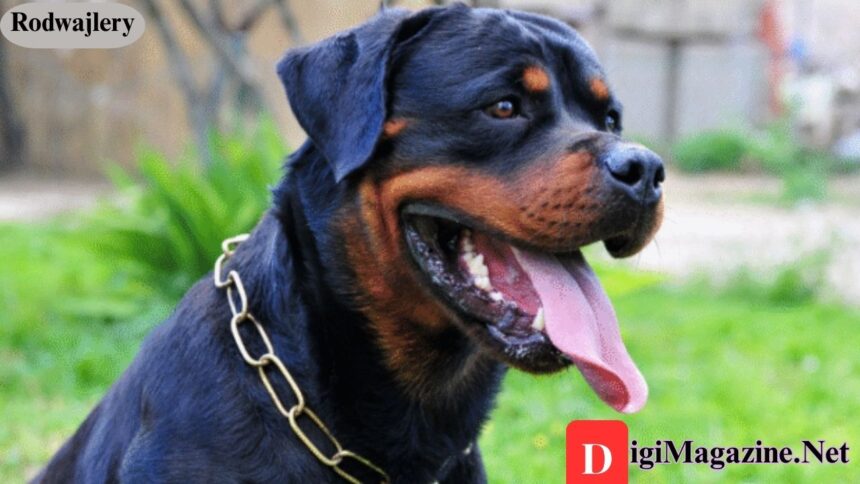
Rodwajlery (commonly known as Rottweilers) are among the most recognized dog breeds in the world. With their muscular build, intelligence, and loyalty, they are admired both as family companions and working dogs. But their reputation is sometimes misunderstood—while some people view them as aggressive, experienced owners know that with proper training and socialization, Rottweilers are affectionate, protective, and dependable pets.
In this article, we’ll explore the origins, temperament, health, and care of rodwajlery, providing all the information you need if you’re considering welcoming one into your life.
The Origins and History of Rodwajlery
The rodwajlery breed has ancient roots that stretch back over two thousand years. These powerful dogs descended from Roman drover dogs, which accompanied Roman legions across Europe. Their primary role was to herd cattle and guard supplies during long military campaigns.
The breed’s name comes from the German town of Rottweil, where these dogs became indispensable to local butchers. They were known as “Rottweiler Metzgerhund,” or the butcher’s dog of Rottweil. Their job was to pull carts laden with meat to market and protect their owners’ money pouches by wearing them around their necks.
By the mid-19th century, the rodwajlery nearly faced extinction. The rise of railways made cattle driving obsolete, and the breed’s numbers dwindled dramatically. Fortunately, their exceptional abilities as police and guard dogs sparked renewed interest in the early 1900s. The first Rottweiler club was established in Germany in 1914, and the breed began its journey to worldwide recognition.
Physical Characteristics That Define Rodwajlery
Rodwajlery are medium to large dogs with an unmistakable presence. Males typically stand between 24 to 27 inches at the shoulder and weigh 95 to 135 pounds, while females are slightly smaller at 22 to 25 inches and 80 to 100 pounds.
Their coat is always black with clearly defined rust to mahogany markings on the cheeks, muzzle, chest, and legs. The double coat is straight, coarse, and medium length, protecting against various weather conditions. Regular brushing helps maintain their coat’s health and reduces shedding.
The breed’s head is broad and medium length, with a well-developed muzzle and strong jaws. Their dark, almond-shaped eyes express intelligence and alertness. The overall body structure is compact, muscular, and athletic, built for both strength and agility. Every aspect of their physical appearance reflects their working heritage.
Understanding the Rodwajlery Temperament
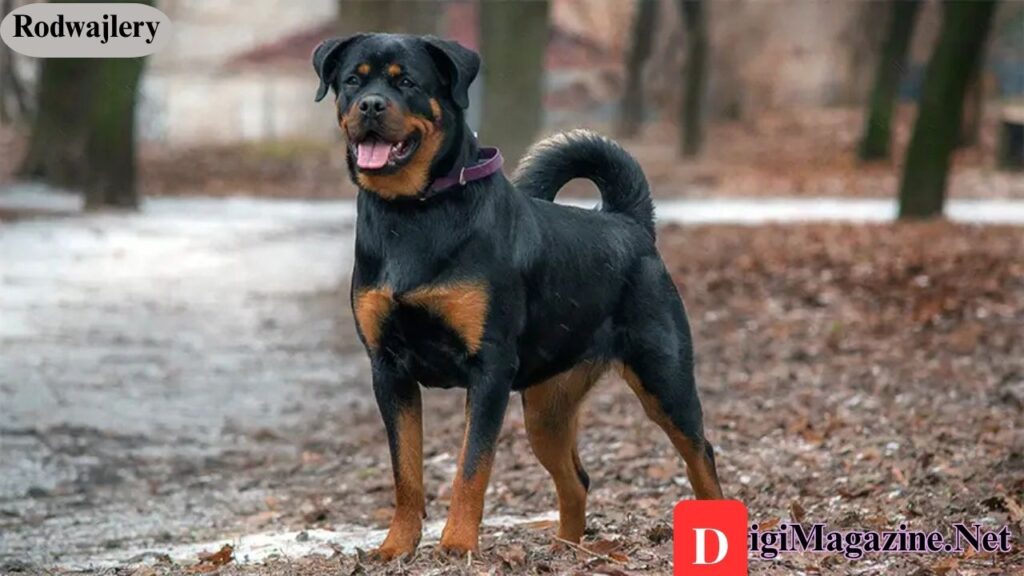
Despite stereotypes, rodwajlery are not naturally aggressive. Their temperament is best described as confident, calm, and courageous. They form deep bonds with their families and are known for their unwavering loyalty. This devotion makes them excellent protectors who will defend their loved ones without hesitation.
Intelligence is another hallmark of the breed. Rodwajlery learn quickly and respond well to consistent training. However, their intelligence also means they need mental stimulation to prevent boredom. A bored Rottweiler may develop unwanted behaviors.
With family members, rodwajlery are surprisingly gentle and affectionate. They often don’t realize their own size and may try to be lap dogs! Many owners report that their Rottweilers are playful clowns at home, showing a silly side that contrasts with their serious appearance.
Early socialization is crucial for developing a well-rounded rodwajlery. Puppies should be exposed to various people, animals, environments, and situations from a young age. This helps them learn appropriate responses and builds confidence in different settings.
Training Your Rodwajlery: Essential Guidelines
Training should begin the moment you bring your rodwajlery home. These intelligent dogs need a firm but fair leader who establishes clear boundaries and expectations. Positive reinforcement methods work exceptionally well—reward good behavior with treats, praise, and play.
Consistency is key when training rodwajlery. All family members should use the same commands and enforce the same rules. Mixed messages confuse the dog and undermine training efforts.
Basic obedience commands like sit, stay, come, and heel are essential. However, rodwajlery benefit from advanced training as well. Their working heritage means they excel at activities like obedience competitions, tracking, and protection work.
Socialization goes hand in hand with training. Regular exposure to other dogs, people, and new experiences prevents fear-based reactions and helps your rodwajlery become a confident, well-mannered companion. Puppy classes are excellent opportunities for both training and socialization.
Never use harsh punishment or aggressive training methods with rodwajlery. These approaches damage the trust between dog and owner and can create behavioral problems. Instead, redirect unwanted behaviors and consistently reward what you want to see.
Exercise and Activity Needs
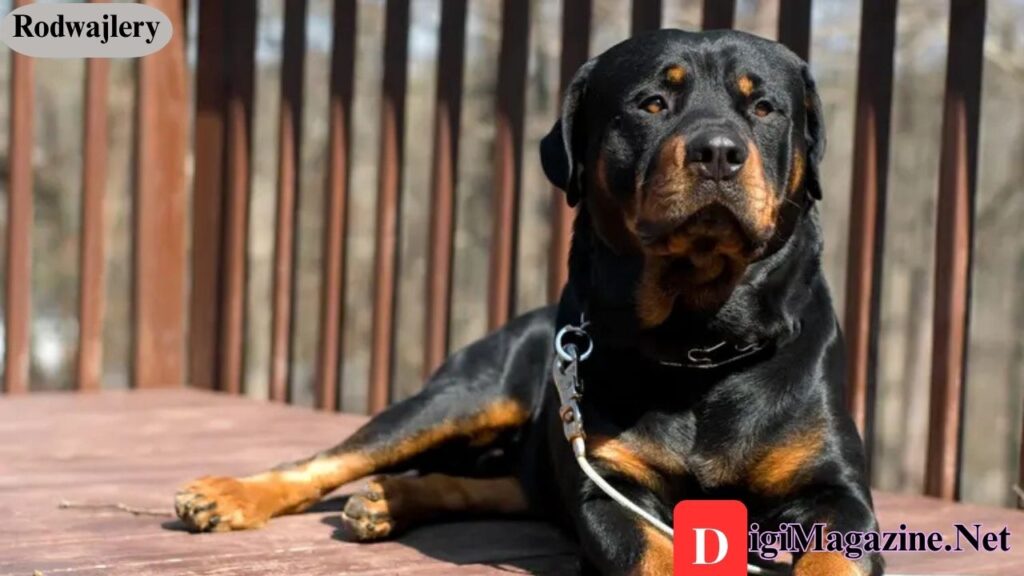
Rodwajlery are working dogs that require substantial daily exercise. A minimum of one to two hours of physical activity is necessary to keep them healthy and content. Without adequate exercise, they may become restless and develop destructive behaviors.
Walking is a good start, but rodwajlery needs more vigorous activities too. Running, hiking, swimming, and playing fetch all provide excellent outlets for their energy. Many owners find that their Rottweilers enjoy pulling carts or sleds, which taps into their historical role.
Mental exercise is equally important. Puzzle toys, training sessions, and interactive games challenge their minds and prevent boredom. Hide-and-seek with treats or toys, learning new tricks, and scent work are all activities that rodwajlery typically enjoy.
Dog sports offer structured ways to exercise both body and mind. Rodwajlery often excel at agility, rally obedience, and tracking. These activities strengthen the bond between dog and owner while providing purpose and stimulation.
Remember that growing puppies should not be over-exercised, as this can damage developing joints and bones. Short, frequent play sessions are better for young rodwajlery than long, strenuous activities.
Nutrition and Feeding Rodwajlery
Proper nutrition is fundamental to your rodwajlery’s health and longevity. Large breed dogs have specific nutritional needs, particularly during their growth phase. High-quality dog food formulated for large breeds provides the right balance of nutrients.
Adult rodwajlery typically need 4 to 10 cups of food daily, divided into two meals. The exact amount depends on size, age, metabolism, and activity level. Active working dogs require more calories than less active companions.
Protein should be a primary ingredient in your rodwajlery’s diet. Look for foods where meat, poultry, or fish is listed first. Adequate protein supports muscle maintenance and overall health in these muscular dogs.
Avoid overfeeding, as rodwajlery can become overweight. Obesity stresses joints, increases health risks, and shortens lifespan. You should be able to feel your dog’s ribs without pressing hard, but they shouldn’t be visible.
Fresh water must always be available. Large dogs like rodwajlery drink substantial amounts, especially after exercise or during warm weather.
Some owners choose to feed raw diets, while others prefer high-quality commercial foods. Whatever you choose, ensure it meets AAFCO standards and consult your veterinarian about the best option for your individual dog.
Health Considerations for Rodwajlery
Like all purebred dogs, rodwajlery are prone to certain health conditions. Awareness helps owners monitor for early signs and seek prompt veterinary care.
Hip dysplasia is one of the most common issues in the breed. This genetic condition causes the hip joint to develop improperly, leading to arthritis and pain. Responsible breeders screen breeding dogs for hip dysplasia to reduce its occurrence.
Elbow dysplasia is another orthopedic concern that affects rodwajlery. Similar to hip dysplasia, it involves abnormal development of the elbow joint and can cause lameness and discomfort.
The breed can also experience eye problems, including progressive retinal atrophy and cataracts. Regular eye examinations help detect these conditions early.
Heart conditions, particularly aortic stenosis and dilated cardiomyopathy, occur in some rodwajlery. Signs include fatigue, difficulty breathing, and fainting. Cardiac screening is recommended for breeding dogs.
Bloat, or gastric dilatation-volvulus, is a life-threatening emergency where the stomach fills with gas and twists. Large, deep-chested breeds like rodwajlery are at higher risk. Feeding smaller meals, avoiding exercise immediately after eating, and using slow-feeder bowls can help reduce risk.
Cancer, unfortunately, affects rodwajlery more than some other breeds. Bone cancer, lymphoma, and other forms can occur. Regular veterinary checkups help catch problems early.
The average lifespan for rodwajlery is 8 to 10 years, though many live longer with excellent care. Maintaining a healthy weight, providing regular exercise, and keeping up with veterinary care all contribute to longevity.
Grooming Your Rodwajlery
Grooming needs for rodwajlery are relatively modest compared to some breeds. Their short, double coat requires weekly brushing to remove loose hair and distribute natural oils. During spring and fall shedding seasons, daily brushing helps manage the increased hair loss.
Bathing is only necessary every few months or when your dog gets particularly dirty. Over-bathing strips natural oils from the coat and can cause dry skin. Use a dog-specific shampoo to maintain skin and coat health.
Nail trimming should occur every 3 to 4 weeks. Long nails can cause discomfort and affect how your rodwajlery walks. If you hear clicking on hard floors, the nails are too long.
Dental care is often overlooked but vital for overall health. Brush your rodwajlery’s teeth several times weekly using dog toothpaste. Dental disease can lead to serious health problems if left untreated.
Check and clean your ears weekly to prevent infections. Rodwajlery’s ears don’t typically require extensive care, but regular inspection catches problems early.
Rodwajlery as Family Dogs
Many families successfully share their homes with rodwajlery. These dogs can be wonderful with children when properly trained and socialized. Their protective nature means they naturally watch over family members, especially youngsters.
Supervision is essential when rodwajlery interacts with young children. Their size and strength mean they can accidentally knock over small children during play. Teaching both the dog and children how to interact respectfully creates a safer environment.
Rodwajlery typically do best as only dogs or with opposite-sex companions. Same-sex aggression can occur, particularly between males. Early socialization with other animals improves the chances of peaceful multi-pet households.
These dogs thrive on being part of family activities. They don’t do well when isolated or left alone for long periods. Rodwajlery wants to be with their people, participating in daily life rather than being relegated to the backyard.
The ideal home for a rodwajlery has a securely fenced yard where the dog can exercise safely. While they can adapt to various living situations, they need space to move and play.
Choosing a Rodwajlery Puppy or Adult Dog
Finding a responsible breeder is crucial when looking for rodwajlery puppies. Good breeders health-test their breeding dogs, provide proper puppy socialization, and are committed to the breed’s betterment. They’ll ask you questions to ensure their puppies go to appropriate homes.
Expect to see health clearances for both parents, including hip and elbow evaluations and cardiac screening. Reputable breeders welcome visits to see where puppies are raised and to meet at least the mother.
Puppy prices vary based on location, breeder reputation, and lineage. Show-quality puppies typically cost more than pet-quality ones. Remember that the initial purchase price is just the beginning—lifetime care costs significantly more.
Adult rodwajlery also needs homes. Breed-specific rescues and shelters sometimes have Rottweilers available for adoption. Adult dogs have the advantage of established temperaments, and many are already trained.
Whether choosing a puppy or an adult, spend time observing the dog’s behavior. A good match considers your lifestyle, experience level, and what you want in a companion.
Common Misconceptions About Rodwajlery
Media portrayals have unfortunately created negative stereotypes about rodwajlery. The reality is that any dog can become aggressive with poor treatment, lack of socialization, or inadequate training. Breed alone doesn’t determine behavior.
Many people believe rodwajlery are naturally vicious, but this simply isn’t true. These dogs are protective and territorial, which makes them excellent guard dogs, but properly raised, rodwajlery are stable and friendly.
Another myth suggests that rodwajlery cannot live peacefully with other pets or children. Countless families prove this wrong daily. The key is appropriate training, socialization, and supervision.
Some claim that rodwajlery will eventually “turn” on their owners. This misunderstanding comes from isolated incidents involving dogs with poor breeding, traumatic backgrounds, or abusive treatment. Well-bred, properly cared-for rodwajlery are loyal companions throughout their lives.
The Responsibilities of Rodwajlery Ownership
Owning a rodwajlery is a significant commitment that shouldn’t be taken lightly. These powerful dogs need experienced handlers who understand canine behavior and can provide firm, consistent leadership.
Time investment is substantial. Beyond daily exercise and training, rodwajlery need quality time with their families. They’re not dogs that can be left to entertain themselves.
Financial responsibility includes not just food and routine veterinary care, but also potential emergency medical expenses, training classes, and quality supplies. Large dogs have large expenses.
Legal considerations exist in some areas. Certain municipalities have breed-specific legislation affecting rodwajlery ownership. Some insurance companies charge higher rates or refuse coverage to owners of certain breeds. Research local regulations before bringing home a rodwajlery.
Conclusion
Rodwajlery are magnificent dogs that offer loyalty, protection, and companionship to those willing to meet their needs. Their intelligence and trainability make them versatile partners for various roles, from beloved family pets to working service dogs.
However, they’re not the right choice for everyone. First-time dog owners might find their size, strength, and training needs overwhelming. Rodwajlery requires experienced handlers who can provide structure, exercise, socialization, and leadership.
For those ready to embrace the responsibilities, rodwajlery reward their owners with unwavering devotion and years of memorable companionship. These powerful yet gentle giants prove that with proper care and training, they’re among the finest breeds in the canine world.
If you’re considering adding a rodwajlery to your family, take time to research thoroughly, connect with experienced owners, and honestly assess whether you can provide what these remarkable dogs need to thrive.
For more information, visit Digi Magazine.