The broadcasting world was shaken in 2025 when serious allegations emerged against one of the BBC’s most influential news executives. Richard Frediani, the editor behind BBC Breakfast and BBC News at One, found himself at the center of a workplace misconduct investigation that raised questions about culture and accountability within Britain’s public broadcaster.
Who is Richard Frediani?
Richard Frediani has been a prominent figure in British television journalism for years. His journey from a local radio reporter in Preston to becoming one of the BBC’s most powerful news executives outside London showcases a career built on dedication and editorial expertise. Before joining the BBC, Frediani held senior positions at ITN and ITV News, where he honed his skills in producing compelling news content.
Since September 2019, Richard Frediani has served as the editor of BBC Breakfast, the corporation’s flagship morning program. His influence expanded further in May 2024 when he took on the additional responsibility of editing BBC News at One, giving him oversight of two of the BBC’s highest-rated news broadcasts.
A Career Marked by Recognition
Throughout his career, Frediani has earned significant industry recognition. He has won three BAFTA awards in 2007, 2014, and 2025, demonstrating his consistent ability to produce award-winning journalism. His most recent BAFTA in May 2025 came for BBC Breakfast’s coverage of the Post Office scandal, a story that captivated the nation and brought justice to countless victims.
Colleagues have noted Richard Frediani’s strong news judgment and his particular ability to understand audiences outside London, a quality that has proven valuable in making BBC Breakfast resonate with viewers across the United Kingdom.
Allegations Surface in 2025
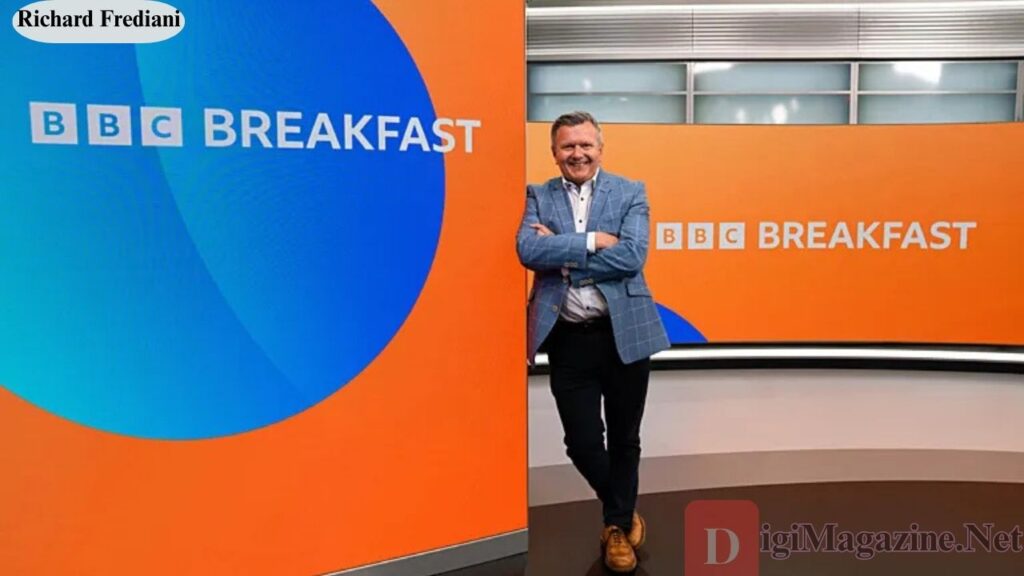
The situation took a dramatic turn in March 2025 when an investigation by Deadline revealed troubling allegations about Frediani’s workplace conduct. According to reports, at least two formal workplace misconduct complaints had been filed against him since he became editor of BBC Breakfast in 2019.
The allegations painted a disturbing picture of workplace behavior. One particularly serious incident involved the alleged physical shaking of a female colleague in February 2024, a grievance that was reportedly upheld by the BBC. Staff members also reported instances of shouting and swearing, with some describing incidents where Frediani allegedly kicked a wastebasket and banged his fist on a glass wall during moments of frustration.
Beyond individual incidents, sources suggested that Richard Frediani had created a culture of favoritism, with some describing a “boys club” atmosphere that left certain team members feeling excluded and undervalued.
Growing Concerns and Further Complaints
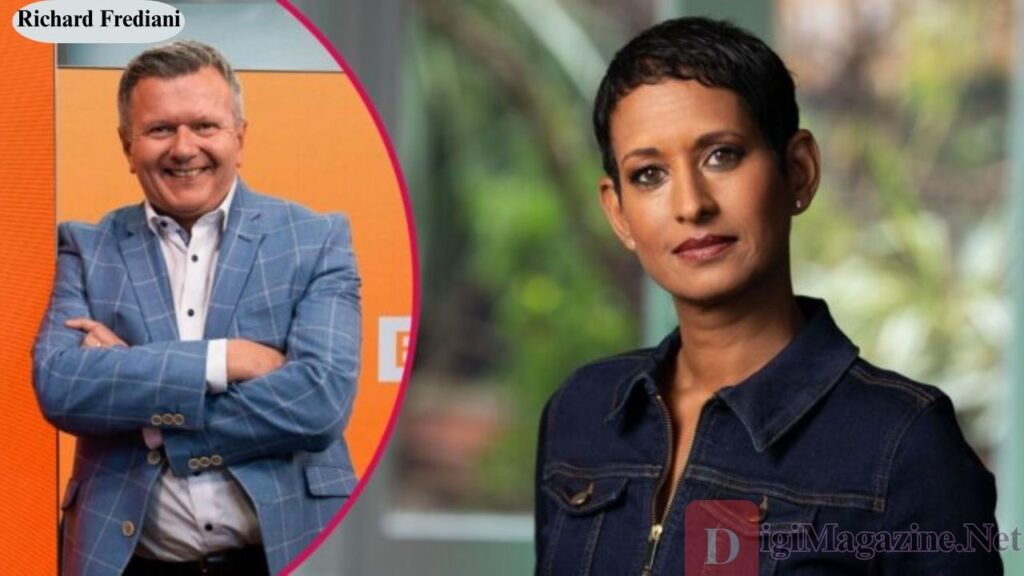
Following the initial Deadline investigation in March 2025, the situation intensified in April when an additional 11 people came forward with their own concerns. These individuals included former colleagues from Frediani’s time at ITN, suggesting a pattern of behavior that stretched beyond his tenure at the BBC.
Among those who raised concerns was Naga Munchetty, one of BBC Breakfast’s most recognizable presenters. Her involvement added weight to the allegations and highlighted tensions within the program’s working environment.
The BBC’s Response
The BBC found itself under pressure to act decisively. In June 2025, Richard Frediani took an extended leave from his positions as the corporation launched an investigation into the allegations. The BBC brought in PwC as an HR advisor to conduct a thorough review of BBC Breakfast’s workplace culture, signaling the seriousness with which they were treating the matter.
By July 2025, Frediani had returned to work, though the investigation continued. Then, in September 2025, reports emerged that he had been cleared of bullying allegations following the internal review. The outcome raised eyebrows among some observers, particularly given that a previous grievance had been upheld against him.
Throughout the process, BBC Director General Tim Davie maintained the corporation’s stated “zero tolerance” policy for workplace misconduct, though critics questioned whether this stance was being consistently applied.
Questions About Workplace Culture
The Richard Frediani case exposed broader concerns about workplace culture within the BBC. Sources within the organization described him as “untouchable,” with staff reportedly “scared to speak out” against someone in such a powerful position. This reluctance to challenge senior figures raised uncomfortable questions about how the BBC handles internal complaints.
Particularly puzzling to many was the decision to expand Frediani’s role in May 2024 by adding BBC News at One to his responsibilities, even after a grievance against him had been upheld earlier that year. This move seemed to contradict the BBC’s public stance on workplace misconduct.
The situation with Naga Munchetty added another layer of complexity. The presenter, who had raised concerns about Frediani’s conduct, herself faced a conduct review, creating what some perceived as a difficult dynamic within the BBC Breakfast team.
Where Things Stand Now
Today, Richard Frediani remains at his post, editing both BBC Breakfast and BBC News at One. Both programs continue to lead their respective timeslots in viewership ratings, underscoring his influence over a significant portion of the BBC’s news output. This position makes him one of the most powerful figures in British broadcast journalism outside the London executive suites.
However, the workplace tensions have not entirely dissipated. Those familiar with the situation at BBC Breakfast suggest that internal dynamics remain complicated, with the events of 2025 leaving a lasting impact on team morale and relationships.
The Broader Context
The Richard Frediani controversy emerged at a time when the BBC was already facing scrutiny over its workplace culture. The corporation had been implementing reforms and conducting reviews aimed at creating a safer, more respectful working environment following other high-profile cases.
This situation added to ongoing conversations about accountability and standards within the BBC. Questions persisted about whether the organization’s processes for handling workplace complaints were fit for purpose, particularly when allegations involved senior executives with significant influence.
The case also highlighted the challenges of balancing editorial talent and achievement against workplace conduct concerns. Frediani’s undeniable editorial success and award-winning work stood in tension with the serious allegations raised by multiple colleagues.
Looking Forward
As the BBC continues to navigate workplace culture reforms, the Richard Frediani case serves as a reminder of the complexities involved in addressing misconduct allegations within large organizations. The situation has sparked discussions about power dynamics in newsrooms, the protection of those who speak up, and the standards expected of leaders in public service broadcasting.
For BBC Breakfast viewers and those who tune into BBC News at One, the programs continue as before, delivering the news and analysis that millions rely on. Behind the scenes, however, the events of 2025 have left questions that extend beyond one individual to touch on institutional culture and accountability.
The coming months and years will reveal whether the BBC’s workplace culture reforms can address the concerns raised by this case and create an environment where editorial excellence and respectful conduct coexist without compromise.
For more information, visit Digi Magazine.