Introduction
A seemingly obscure username Florncelol, suddenly caught the attention of the League of Legends community after a viral incident involving streamer Nightblue3. But what’s behind the name? How did it turn into a meme-like flashpoint? The story reveals how quickly online gaming culture can transform an ordinary handle into something much larger. Let’s break it down across six key themes to understand this unexpected digital phenomenon.
1. Who or What Is “Florncelol”?
At its heart, Florncelol appears to be a username—possibly belonging to someone named Florence—that surfaced across social media and commentary platforms tied to League of Legends. This handle doesn’t correspond to any widely known persona or brand; its presence is rooted in online gaming culture and community chatter.
The username first appeared within League of Legends circles, gradually building recognition through various interactions with content creators and streamers. Unlike established gaming personalities with verified profiles and large followings, this particular handle remained relatively anonymous until circumstances thrust it into the spotlight.
What makes it fascinating isn’t the user’s identity—it’s how a simple handle became a viral trope. The gaming community has witnessed countless usernames over the years, but few manage to generate the level of discussion and controversy that this one achieved. The combination of mystery, timing, and community involvement created perfect conditions for virality within the esports ecosystem.
2. The Nightblue3 Connection
The username gained widespread recognition through its association with Nightblue3, a prominent League of Legends streamer known for entertaining gameplay and engaging content. During one of his broadcasts, interactions involving this particular handle created moments that viewers found noteworthy enough to clip, share, and discuss extensively.
Nightblue3’s substantial following meant that anything occurring during his streams reached thousands of viewers immediately. When the situation involving this username unfolded, clips spread rapidly across platforms like Reddit, Twitter, and YouTube. The streamer’s reaction and subsequent commentary amplified what might have otherwise remained a minor incident.
The controversy sparked debates about streamer responsibility, audience expectations, and how public figures in gaming should handle unexpected situations. Community members analyzed every aspect of the interaction, creating threads and videos that dissected the events frame by frame. This level of scrutiny transformed a simple username mention into a case study for online behavior.
3. Community Reaction and Meme Culture
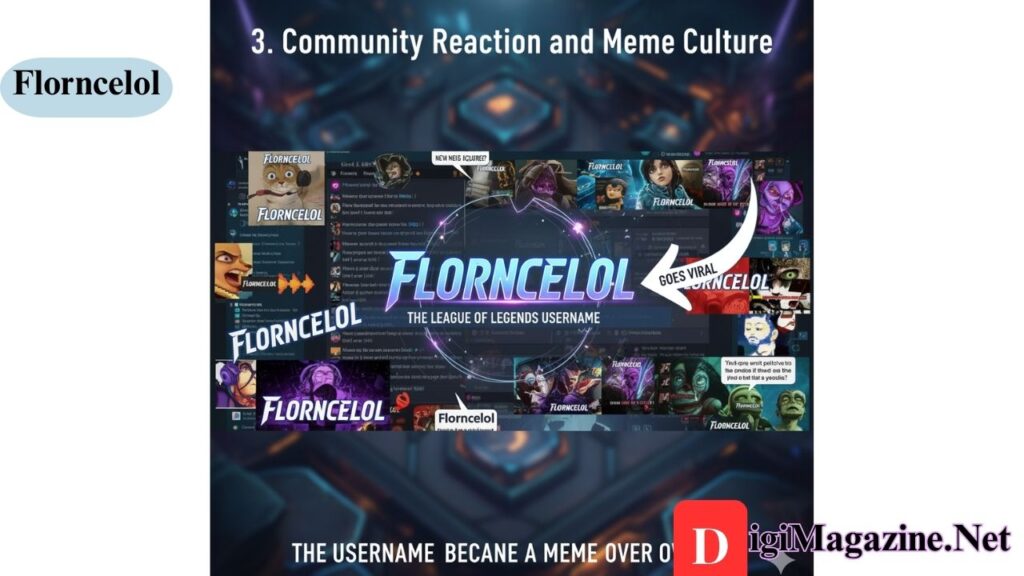
Once the initial incident occurred, the League of Legends community responded with characteristic intensity. Discussion threads appeared across multiple platforms, with users offering theories, opinions, and humorous takes on the situation. The username quickly evolved from a point of controversy into a meme reference that community members used to joke about similar scenarios.
Meme culture within gaming communities operates at remarkable speed. Within hours, creative users generated content featuring the username—from edited screenshots to parody videos. The handle became shorthand for specific types of online interactions, allowing community members to reference the incident without lengthy explanations.
Gaming forums buzzed with activity as users debated various aspects of the situation. Some defended the individuals involved, while others criticized the handling of events. This division itself became part of the phenomenon, with people choosing sides and engaging in lengthy discussions about online ethics and accountability.
The viral nature of the incident demonstrated how gaming communities process controversial moments. Rather than disappearing quickly, the username maintained relevance through continuous references, callbacks, and new iterations of related content.
4. Social Media Amplification
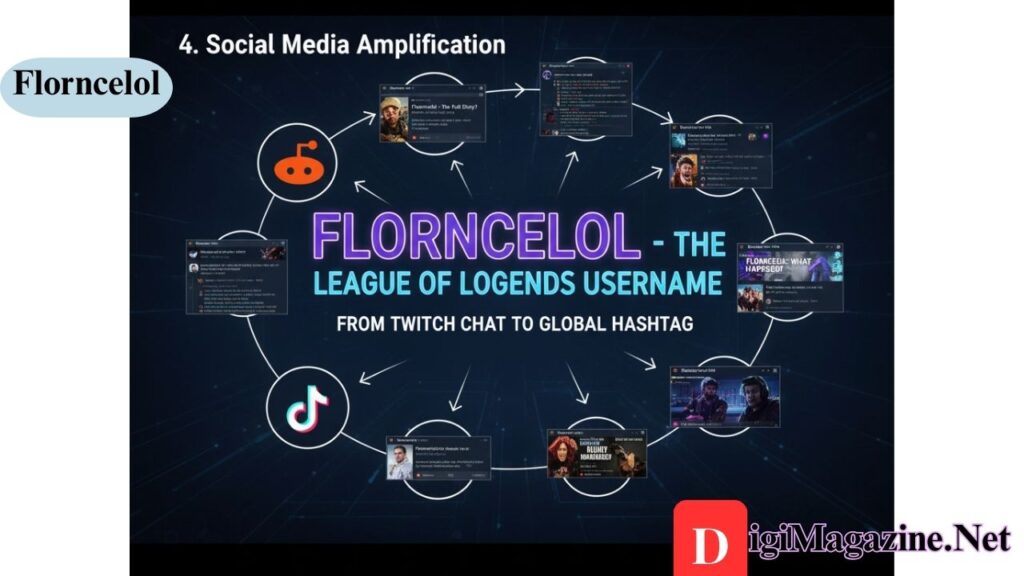
Platforms like Twitter, Reddit, and Twitch played crucial roles in spreading awareness about this username. Reddit threads dedicated to League of Legends are filled with comments dissecting every detail of the incident. Twitter users created threads documenting timelines and sharing perspectives. Twitch chat became flooded with references whenever related topics arose.
The cross-platform nature of the discussion meant that even casual gamers encountered mentions of the username. Content creators beyond League of Legends began referencing it, expanding the reach beyond the game’s immediate community. YouTube videos analyzing the situation accumulated hundreds of thousands of views, introducing new audiences to the story.
Social media algorithms favored the controversy, pushing related content to broader audiences. Hashtags emerged, allowing users to track ongoing discussions and new developments. The username appeared in unexpected contexts as people applied it to unrelated situations that shared similar characteristics.
This amplification cycle demonstrated how modern gaming controversies develop and spread. What began in one streamer’s chat evolved into a multi-platform phenomenon that touched various corners of online gaming culture.
5. Lessons About Online Identity
The situation highlighted important considerations about digital personas and online interactions. Usernames represent more than simple identifiers—they carry associations, histories, and implications that can affect real people. The incident prompted discussions about privacy, accountability, and the permanence of online actions.
Gaming communities began examining how they respond to controversies and whether their reactions sometimes amplify problems rather than resolve them. Content creators reflected on their responsibilities when unexpected situations arise during streams. Platform operators considered whether existing tools adequately protect users from harassment or unwanted attention.
The username became a reminder that online spaces operate under different rules than physical interactions. Anonymity provides freedom but also enables behaviors that communities must collectively address. The gaming world continues grappling with balancing open expression against protecting individuals from harm.
Younger gamers especially gained insights into how quickly situations can escalate online. Parents and educators used the incident as a teaching moment about digital citizenship and responsible online behavior. The lasting impact extends beyond entertainment into broader conversations about internet culture.
6. Current Status and Legacy
As time passes, references to this username have decreased but haven’t disappeared entirely. Within League of Legends circles, it remains recognizable as a reference point for specific types of community moments. Veteran players occasionally mention it when similar situations arise, using it as shorthand for comparable incidents.
The legacy involves more than just the specific username or individuals involved. It represents a case study in how gaming communities process controversy, create memes, and establish collective memory around viral moments. Researchers studying online culture have referenced this incident when examining community dynamics and information spread.
For League of Legends specifically, the situation contributed to ongoing conversations about community standards and streamer conduct. While not dramatically changing policies or practices, it added to accumulated experiences that shape how platforms and creators approach sensitive situations.
The username serves as a timestamp for a particular moment in gaming culture—a reminder of how quickly ordinary elements can transform into extraordinary phenomena through community attention and social media dynamics.
Conclusion
Florncelol represents far more than a simple username. It embodies how modern gaming culture processes unexpected moments, creates shared references, and navigates complex questions about online behavior. From its origins as an obscure handle to its status as a recognized reference within League of Legends communities, the journey illustrates the unique dynamics of digital spaces.
The incident involving Nightblue3 served as the catalyst, but the broader phenomenon reflects community characteristics that existed before and continue after. Gaming culture’s ability to rapidly disseminate information, create humorous content from serious situations, and maintain long-term memory of viral moments all contributed to this username’s unexpected prominence.
Understanding what happened with this particular handle provides insights into how online communities function, how content creators navigate unexpected challenges, and how social media amplifies both positive and negative interactions. While the intense focus has subsided, the lessons remain relevant for anyone participating in gaming communities or digital spaces more broadly.
The story reminds us that online actions carry weight, communities have long memories, and today’s minor detail can become tomorrow’s major discussion point. Whether you’re a content creator, casual gamer, or observer of internet culture, there’s value in understanding how and why certain moments capture collective attention while others fade into obscurity.
For more information, visit Digi Magazine.