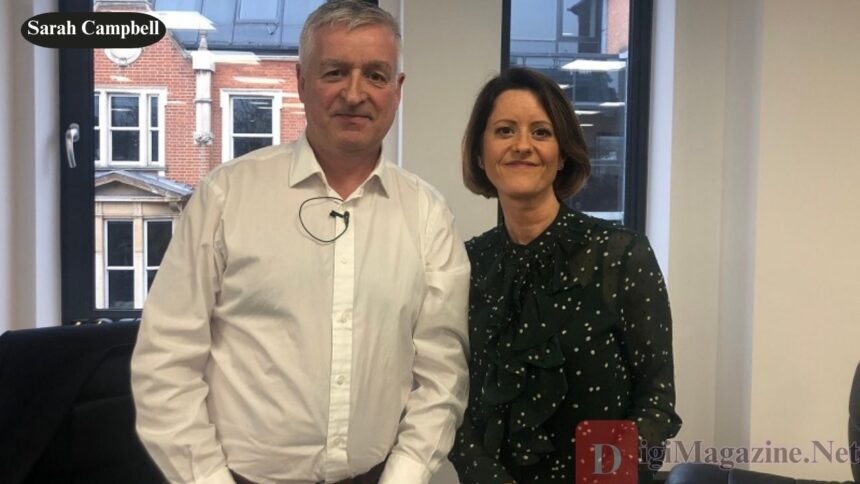
Sarah Campbell is one of the most respected and recognisable journalists in British broadcasting today. With a career spanning more than two decades at the BBC, she has reported on some of the most important stories of modern times, from breaking political developments to historic royal events that shaped the United Kingdom. Known for her clarity, accuracy, and calm delivery during moments of national significance, Sarah Campbell has become a trusted source of information for millions of viewers. Her rise from local radio reporter to BBC presenter and Royal Correspondent is a story of dedication, resilience, and journalistic excellence.
Who Is Sarah Campbell?
Sarah Campbell is a distinguished BBC journalist who has built her reputation through decades of dedicated reporting on major national and international stories. Currently serving as the BBC Royal Correspondent, she holds one of the most prestigious positions in British journalism. Her work encompasses coverage of the British monarchy, state occasions, and stories that matter most to the public across the United Kingdom.
The BBC reporter has earned widespread recognition for her ability to communicate complex information with clarity and empathy. Whether reporting from outside Buckingham Palace during moments of national mourning or covering education policy changes affecting millions of families, she brings professionalism and humanity to every story she tells.
Early Life and Education
Born in the United Kingdom around 1973, Sarah Campbell grew up with an interest in storytelling and current affairs. She pursued higher education at the University of Birmingham, where she graduated in the mid-1990s with a strong foundation for her future career in journalism.
Understanding that journalism requires specialized training beyond general education, she enrolled at Cardiff University to complete a Postgraduate Diploma in Broadcast Journalism. This qualification provided her with the technical skills and editorial knowledge necessary to succeed in the competitive world of television news. Cardiff University’s journalism program is renowned for producing some of Britain’s finest broadcasters, and it proved to be the perfect launching pad for her career.
Sarah Campbell’s Early BBC Career
Breaking into Broadcasting
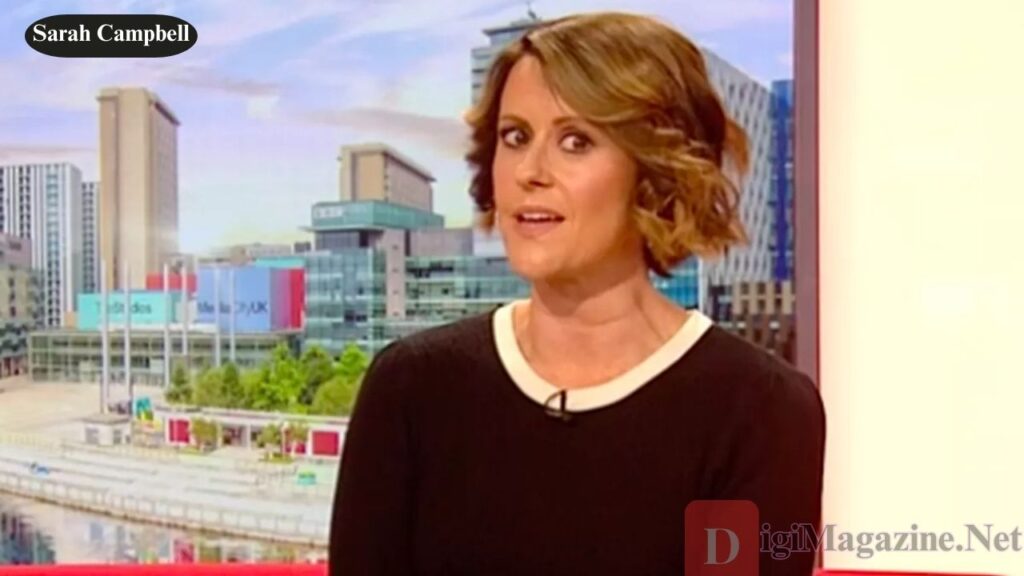
Like many successful journalists, Sarah Campbell began her BBC career away from the television cameras. She started in BBC local radio, where she learned the fundamentals of news gathering, interviewing, and storytelling. Local radio provided an invaluable training ground, teaching her to work quickly, accurately, and independently—skills that would serve her throughout her career.
Her early work involved covering community stories, local politics, and regional issues that directly affected people’s daily lives. These experiences helped her develop the empathetic reporting style that would later define her national work.
BBC Parliament and National Roles
As her skills and reputation grew, Sarah Campbell moved into more specialized roles within the BBC. She worked for BBC Parliament, the channel dedicated to covering political proceedings and parliamentary affairs. This position required a deep understanding of British politics, constitutional matters, and the legislative process.
Working in parliamentary broadcasting taught her to report on complex political issues with impartiality and precision. She learned to navigate the intricacies of Westminster politics while making these stories accessible to viewers who might not follow politics closely. These skills would prove essential when she later moved into general news reporting and eventually became a household name.
Sarah Campbell on BBC Breakfast
Rise to National Fame
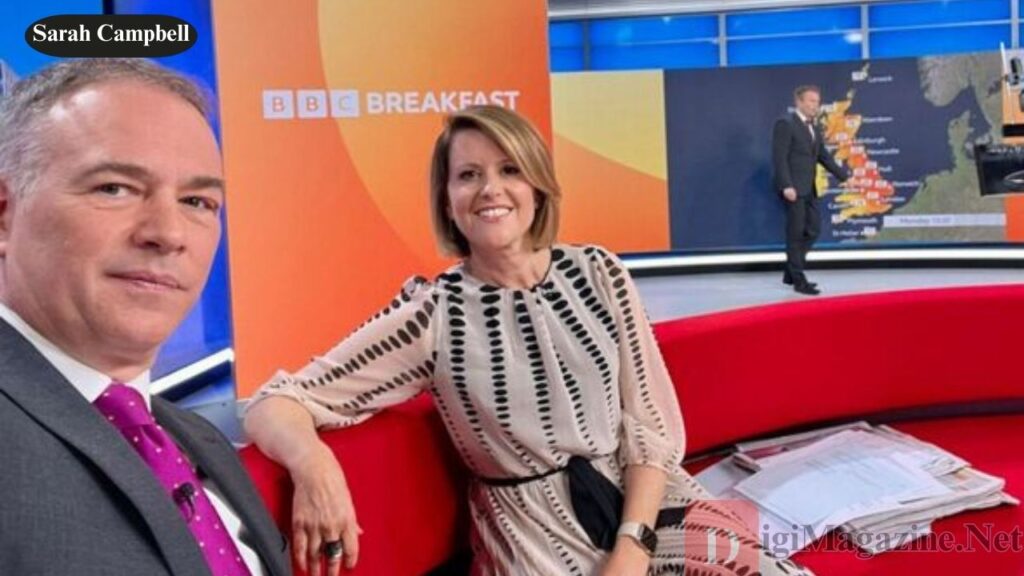
Sarah Campbell’s breakthrough into national prominence came when she joined BBC Breakfast, the corporation’s flagship morning news program. For approximately five years, she worked as both a presenter and reporter on the show, which reaches millions of viewers across the country each morning.
On BBC Breakfast, she covered an enormous range of stories—from breaking news and political developments to human interest features and investigative reports. The program’s format required versatility, as presenters must seamlessly transition between hard news and lighter segments while maintaining credibility and warmth.
Her time on BBC Breakfast introduced her to a national audience and established her as a trusted face of BBC News. Viewers appreciated her straightforward delivery, her ability to ask probing questions without being confrontational, and her genuine interest in the stories she covered. The experience also honed her live broadcasting skills, as morning television demands quick thinking and the ability to adapt to breaking developments in real time.
Education Correspondent and BBC News Reporter
Coverage of Major National Issues
In 2008, Sarah Campbell took on the role of BBC Education Correspondent, a position she held for several years. This specialist role involved reporting on all aspects of education policy, from primary schools to universities, from curriculum changes to funding debates.
As Education Correspondent, she covered stories that directly affected millions of families across Britain. She reported on examination reforms, university tuition fee increases, school funding challenges, and educational inequality. The role required her to understand complex policy details while telling stories that resonated with parents, teachers, and students.
Her work as a BBC News reporter during this period extended beyond education. She covered breaking news stories, traveled to report on major events, and contributed to the BBC’s comprehensive news coverage across television, radio, and online platforms. This breadth of experience made her one of the most well-rounded journalists at the BBC.
Sarah Campbell: BBC Royal Correspondent
A Defining Role in British Broadcasting
In 2013, Sarah Campbell was appointed BBC Royal Correspondent, a role that would define her career and bring her into millions of homes during some of the most significant moments in recent British history. The position carries enormous responsibility, as the Royal Correspondent reports on an institution that sits at the heart of British national identity.
As Royal Correspondent for the BBC, she has covered everything from royal weddings and births to state visits and constitutional developments. The role requires not only journalistic skill but also deep knowledge of royal protocol, constitutional history, and the evolving relationship between the monarchy and modern Britain.
Major Royal Stories Covered
Throughout her tenure as BBC Royal Correspondent, Sarah Campbell has reported on numerous historic events. She covered the death and funeral of Queen Elizabeth II in September 2022, one of the most significant national events in British history. Her reporting during this period exemplified her ability to balance journalistic duty with appropriate sensitivity during a time of national mourning.
She has also covered the coronation of King Charles III, the marriages of several members of the royal family, and ongoing stories about the monarchy’s role in contemporary society. Her reporting provides context and analysis while respecting the institution she covers.
Beyond ceremonial occasions, she reports on more challenging stories involving the royal family, including controversies, policy debates about the monarchy’s future, and the personal challenges faced by individual royals. Her reporting maintains journalistic integrity while showing appropriate respect for both the institution and the individuals involved.
BBC Breakfast BAFTA-Winning Post Office Special
One of Sarah Campbell’s most significant journalistic achievements came through her work on the BBC Breakfast Post Office Special, which won a BAFTA award. This investigative report examined one of Britain’s most shocking miscarriages of justice—the Post Office Horizon scandal.
The story involved hundreds of sub-postmasters who were wrongfully accused of theft and false accounting due to faulty software. Many faced criminal prosecution, imprisonment, bankruptcy, and devastating personal consequences for crimes they did not commit. The BBC Breakfast investigation brought national attention to this scandal and contributed to efforts to secure justice for those affected.
Sarah Campbell co-presented this special report, demonstrating the investigative skills and empathetic storytelling that have characterized her career. The BAFTA recognition acknowledged not just the technical quality of the journalism but its real-world impact in exposing injustice and advocating for victims.
Sarah Campbell’s Age
Questions about Sarah Campbell’s age frequently arise among viewers who have followed her career over the years. Based on available information, Sarah Campbell was born around 1973, which would make the BBC journalist approximately in her early fifties as of 2024.
How old is Sarah Campbell? While exact birth details remain private, her educational timeline—graduating from university in the mid-1990s—supports this approximate age range. What age is Sarah Campbell BBC? She represents a generation of experienced journalists who combine traditional broadcasting skills with adaptation to modern digital media.
The question of Sarah Campbell BBC reporter age often comes up because viewers have watched her career progress over more than two decades. Her experience and maturity contribute to the authority she brings to major stories, particularly in her role covering the royal family.
Is Sarah Campbell Married?
Many viewers wonder about Sarah Campbell’s personal life, particularly regarding her marital status. Is Sarah Campbell married? While she maintains a professional public presence focused on her journalism, she keeps her private life largely out of the spotlight, as many BBC journalists choose to do.
Information about Sarah Campbell’s husband, if she is married, is not publicly detailed in her professional profiles or media appearances. This privacy is entirely appropriate for a journalist whose work focuses on reporting stories rather than being the story herself.
The question “is Sarah Campbell married?” reflects public interest in someone who has become a familiar presence in British homes. However, she has successfully maintained boundaries between her professional role and personal life, allowing her journalism to speak for itself.
Does Sarah Campbell Have Children?
Similar to questions about her marital status, inquiries about whether Sarah Campbell has children reflect viewer curiosity about the person behind the professional persona. She has not publicly discussed details about children or family life in her professional capacity.
Many successful journalists choose to keep family matters private to protect their loved ones from public attention. This is particularly important for correspondents like Sarah Campbell, whose reporting can sometimes involve controversial subjects or intense public interest.
Quick Info
Name: Sarah Campbell
Profession: BBC Royal Correspondent, Journalist, News Reporter
Education: University of Birmingham; Postgraduate Diploma in Broadcast Journalism, Cardiff University
Career Highlights:
- BBC Royal Correspondent (since 2013)
- BBC Education Correspondent (from 2008)
- BBC Breakfast presenter and reporter (approximately 5 years)
- Co-presenter of BAFTA-winning Post Office Special
- Nearly three decades with the BBC
Notable Coverage:
- Death and funeral of Queen Elizabeth II
- Coronation of King Charles III
- Major royal events and state occasions
- Education policy and reforms
- Post Office Horizon scandal
Age: Born approximately 1973 (early fifties)
Known For: Clear, empathetic reporting on significant national stories; trusted voice during major royal events
Conclusion: Why Sarah Campbell Remains a Trusted BBC Voice
Sarah Campbell exemplifies the best qualities of British journalism. Throughout her career at the BBC, she has demonstrated an unwavering commitment to accuracy, fairness, and storytelling that serves the public interest. From her early days in local radio to her current position as Royal Correspondent, she has consistently put the story—and the people affected by it—at the center of her work.
What makes BBC Sarah Campbell stand out in contemporary journalism is her ability to report on both celebratory and challenging moments with equal professionalism. Whether covering a joyous royal wedding or investigating a devastating scandal like the Post Office case, she brings the same dedication to finding truth and presenting it clearly.
Her work as Sarah Campbell BBC News reporter has informed and educated millions of viewers over more than two decades. In an era when trust in media faces challenges, journalists like Sarah Campbell remind us why quality journalism matters. Her reporting during the death of Queen Elizabeth II and the subsequent transition to King Charles III demonstrated how skilled journalists help nations process historic moments.
As the BBC continues to evolve in the digital age, experienced voices like Sarah Campbell’s remain essential. She represents continuity with the BBC’s traditions of excellence while adapting to new platforms and audience expectations. Her career trajectory—from local radio to national prominence to specialist correspondent—provides a roadmap for aspiring journalists.
For viewers seeking reliable information about the royal family, education policy, or any major story Sarah Campbell covers, her reporting offers clarity without sensationalism, context without bias, and humanity without sentimentality. This balance is what makes her one of the BBC’s most valued journalists.
Sarah Campbell’s legacy is still being written, but her contributions to British journalism are already significant. She has reported on some of the most important stories of our time with skill, integrity, and compassion. As she continues in her role as BBC Royal Correspondent, audiences can trust that they are receiving journalism of the highest standard from one of the BBC’s finest professionals.
For more information, visit Digi Magazine.