Introduction: What Is Plftiger?
Plftiger represents a groundbreaking shift in how technology addresses the complex challenges of modern digital infrastructure. This innovative framework combines artificial intelligence, cybersecurity protocols, automation systems, and decentralized computing architecture into a cohesive platform designed for the demands of tomorrow. Unlike traditional systems that operate in isolation, plftiger creates a unified environment where intelligent decision-making, threat prevention, and operational efficiency work in harmony.
The concept emerged from the recognition that organizations need more than just powerful individual tools—they require an integrated ecosystem capable of adapting to rapidly changing technological landscapes. Plftiger delivers this by offering a foundation that scales with business needs while maintaining robust security measures and predictive capabilities. Its architecture supports seamless integration across various sectors, making it relevant for small startups and large enterprises alike.
What sets plftiger apart is its ability to learn, adapt, and evolve without constant manual intervention. The system analyzes patterns, anticipates challenges, and implements solutions proactively. This forward-thinking approach marks a departure from reactive technologies that only respond after problems arise. Instead, Plftiger positions organizations to stay ahead of disruptions and capitalize on emerging opportunities.
The Origin and Evolution of Plftiger
The development of plftiger began as a response to fragmented technological solutions that failed to communicate effectively with one another. Early computing systems required extensive customization and human oversight, creating bottlenecks that hindered progress. Researchers and developers recognized the need for a platform that could bridge these gaps while incorporating cutting-edge advancements in machine learning and distributed networks.
Initial prototypes focused on creating modular components that could function independently yet collaborate when needed. This design philosophy allowed for flexibility and prevented single points of failure. As the framework matured, developers incorporated feedback from various industries, refining features to address real-world challenges. The evolution continued through multiple iterations, each adding layers of sophistication to the core architecture.
By 2025, plftiger had transformed from a conceptual model into a practical solution adopted by forward-thinking organizations. Its journey reflects broader trends in technology—the shift toward intelligent automation, the prioritization of security in digital operations, and the movement away from centralized control structures. The evolution of plftiger mirrors the technological revolution itself, adapting to meet emerging needs while anticipating future requirements.
Core Principles of Plftiger

Artificial Intelligence at the Core
Intelligence forms the foundation of plftiger’s capabilities. The system employs advanced machine learning algorithms that process vast amounts of information in real time, extracting meaningful insights that drive strategic decisions. Unlike conventional AI implementations that serve specific functions, plftiger integrates intelligence throughout its entire structure, ensuring every component benefits from predictive analytics and adaptive learning.
The AI engine continuously refines its understanding based on new data inputs, improving accuracy and relevance over time. This self-improving mechanism reduces dependence on manual updates and enables the platform to recognize subtle patterns that might escape human observation. The intelligence layer also facilitates natural language processing, allowing users to interact with the system conversationally rather than through rigid command structures.
Furthermore, the artificial intelligence component supports autonomous operations where appropriate, handling routine tasks while escalating complex issues for human review. This balance between automation and human oversight ensures efficiency without sacrificing control. The AI also assists in resource optimization, allocating computational power where it delivers the greatest impact and conserving resources during low-demand periods.
Cybersecurity and Digital Sovereignty
Security stands as a non-negotiable pillar within the plftiger framework. The platform incorporates multi-layered defense mechanisms that protect against both known threats and zero-day vulnerabilities. Rather than relying solely on perimeter defenses, plftiger implements security at every level of operation, creating redundant safeguards that maintain protection even if one layer is compromised.
Digital sovereignty represents another crucial aspect of the security model. Organizations using Plftiger maintain complete control over their data, determining access permissions and storage locations according to their preferences and regulatory requirements. This approach addresses growing concerns about data ownership and privacy in an increasingly connected world. The system ensures that sensitive information remains under the organization’s jurisdiction, reducing exposure to unauthorized access.
The cybersecurity architecture employs behavioral analysis to detect anomalies that might indicate security breaches or system malfunctions. By establishing baseline patterns for normal operations, plftiger can identify deviations quickly and respond appropriately. This proactive monitoring significantly reduces response times when incidents occur, minimizing potential damage and maintaining operational continuity.
Decentralized and Autonomous Infrastructure
Decentralization eliminates single points of failure that plague traditional centralized systems. Plftiger distributes operations across multiple nodes, ensuring that the failure of any individual component does not compromise the entire network. This distributed architecture enhances reliability and enables the system to continue functioning even under adverse conditions.
Autonomous infrastructure means the platform manages many operational aspects independently, adjusting configurations based on current needs and anticipated demands. Self-healing capabilities allow plftiger to detect issues, implement corrections, and verify solutions without human intervention. This autonomy extends to resource management, where the system dynamically allocates computing power, storage, and network bandwidth to optimize performance.
The decentralized model also supports geographic distribution, allowing organizations to maintain operations across multiple locations while ensuring consistent performance and seamless coordination. This geographic flexibility proves particularly valuable for global enterprises that require localized responsiveness combined with centralized oversight. The autonomous nature of the infrastructure reduces administrative overhead and frees technical teams to focus on strategic initiatives rather than routine maintenance.
Interoperability and Scalability
Interoperability ensures that plftiger works harmoniously with existing systems rather than requiring complete technological overhauls. The framework supports standard protocols and interfaces, facilitating integration with legacy applications and contemporary platforms alike. This compatibility reduces implementation barriers and protects existing technology investments while adding advanced capabilities.
Scalability allows organizations to start small and expand as their needs grow. The modular design of plftiger enables incremental adoption, where users can implement specific components initially and add functionality progressively. This flexibility accommodates varying resource levels and risk tolerances, making the technology accessible to organizations at different stages of digital maturity.
The scalable architecture handles increasing workloads without degradation in performance, automatically provisioning additional resources when demand spikes and scaling back during quieter periods. This elastic capacity ensures optimal efficiency while controlling costs. The system’s ability to scale both horizontally and vertically provides multiple pathways for growth, adapting to diverse operational requirements and strategic objectives.
How Plftiger Is Transforming Industries
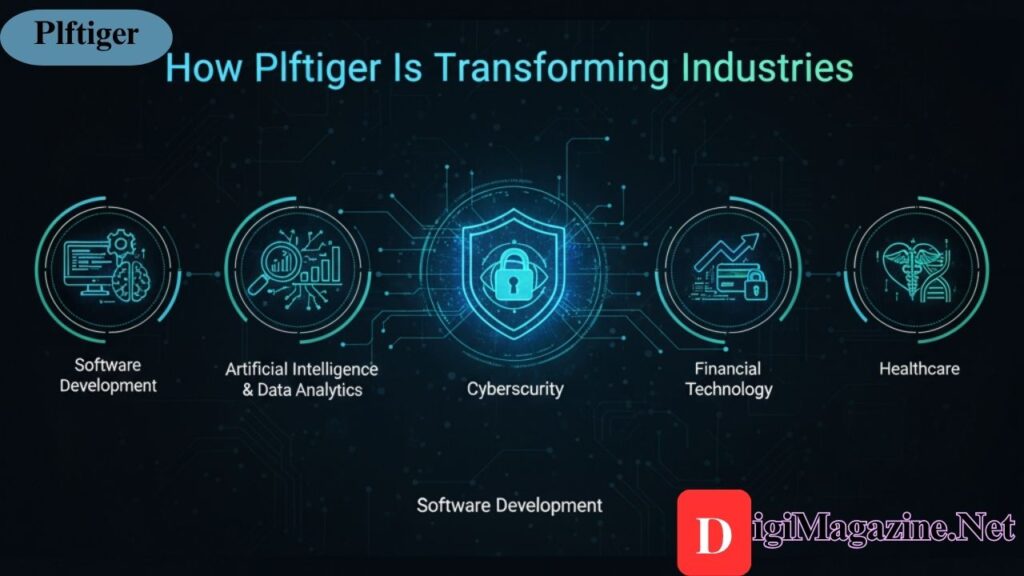
Software Development
Software development teams leverage Plftiger to accelerate creation cycles and improve code quality. The platform assists developers by identifying potential bugs before deployment, suggesting optimizations, and automating repetitive coding tasks. This support allows developers to concentrate on creative problem-solving and architectural design rather than mundane implementation details.
Integration with development environments creates seamless workflows where Plftiger acts as an intelligent assistant throughout the entire software lifecycle. From initial design through testing and deployment, the system provides context-aware recommendations that enhance productivity. Automated testing frameworks within Plftiger ensure comprehensive coverage, catching edge cases that might escape manual review.
Collaboration features facilitate teamwork by maintaining version control, managing dependencies, and coordinating contributions from distributed teams. The platform tracks changes, identifies conflicts, and suggests resolutions, reducing friction in collaborative projects. These capabilities prove especially valuable for remote teams working across time zones and organizational boundaries.
Artificial Intelligence and Data Analytics
Organizations implementing Plftiger gain powerful analytical capabilities that transform raw data into actionable intelligence. The platform processes structured and unstructured information from diverse sources, identifying trends, correlations, and anomalies that inform strategic decisions. Advanced visualization tools present insights in intuitive formats that stakeholders at all levels can understand and act upon.
Predictive analytics enable organizations to anticipate market shifts, customer behaviors, and operational challenges before they materialize. By analyzing historical patterns and current conditions, plftiger generates forecasts with quantified confidence levels, helping decision-makers assess risks and opportunities objectively. These predictions support proactive planning rather than reactive responses to changing circumstances.
The data analytics component also includes natural language query capabilities, allowing non-technical users to extract insights without learning complex query languages. This democratization of data access empowers broader participation in data-driven decision-making, breaking down information silos that previously limited organizational agility. Real-time analytics ensure that insights remain current and relevant as conditions evolve.
Cybersecurity
Cybersecurity professionals find Plftiger invaluable for maintaining robust defenses against increasingly sophisticated threats. The platform monitors network traffic, user behaviors, and system activities continuously, detecting suspicious patterns that might indicate security incidents. Automated response capabilities enable immediate action when threats are identified, containing potential breaches before they spread.
Threat intelligence integration keeps the security systems updated with the latest information about emerging vulnerabilities and attack methods. This continuous learning ensures that defenses evolve alongside the threat landscape rather than becoming obsolete. The system correlates information from multiple sources, identifying coordinated attacks that might appear benign when viewed in isolation.
Compliance management features help organizations meet regulatory requirements by maintaining detailed audit trails, enforcing access controls, and generating reports that demonstrate adherence to security standards. These capabilities reduce the administrative burden of compliance while providing assurance that proper protocols are followed consistently. Automated policy enforcement ensures that security best practices are applied uniformly across all systems and users.
Financial Technology
Financial institutions utilize Plftiger to enhance security, improve customer experiences, and optimize operations. Fraud detection algorithms analyze transaction patterns in real time, flagging suspicious activities for review while allowing legitimate transactions to proceed without delay. This balance between security and convenience proves crucial in maintaining customer satisfaction while protecting assets.
Risk assessment models powered by Plftiger evaluate creditworthiness, investment opportunities, and market exposures with greater accuracy than traditional methods. The system incorporates diverse data sources and applies sophisticated analytical techniques to generate comprehensive risk profiles. These assessments support better lending decisions, investment strategies, and portfolio management.
Automated processes streamline back-office operations, reducing processing times and minimizing errors in tasks like reconciliation, reporting, and compliance monitoring. The efficiency gains translate into cost savings and faster service delivery, improving competitive positioning. Customer-facing applications benefit from personalized recommendations and intelligent assistance that enhance engagement and loyalty.
Healthcare
Healthcare providers implement PLFTIGER to improve patient outcomes, streamline administrative processes, and advance medical research. The system analyzes patient records, identifying patterns that assist in diagnosis and treatment planning. Clinical decision support features alert practitioners to potential drug interactions, recommend evidence-based treatments, and flag abnormal test results that require attention.
Administrative automation reduces paperwork burdens, allowing healthcare professionals to focus more time on patient care. Appointment scheduling, insurance verification, and billing processes run more efficiently with intelligent automation handling routine tasks. These improvements enhance operational efficiency while reducing administrative costs that drive up healthcare expenses.
Research applications accelerate medical discoveries by analyzing vast datasets to identify promising treatment approaches and potential drug candidates. The platform can process clinical trial data, genetic information, and epidemiological studies at scales and speeds impossible through manual analysis. These capabilities support personalized medicine initiatives that tailor treatments to individual patient characteristics rather than applying one-size-fits-all approaches.
Government and Defense
Government agencies adopt plftiger to improve public services, enhance security, and optimize resource allocation. The platform supports smart city initiatives by coordinating infrastructure systems, managing traffic flows, and optimizing energy consumption. Citizens benefit from more responsive services and improved quality of life as urban systems operate more efficiently.
Defense applications leverage plftiger for threat assessment, strategic planning, and operational coordination. The system processes intelligence from multiple sources, identifying patterns and connections that inform security decisions. Simulation capabilities allow planners to evaluate different scenarios and strategies before committing resources, improving preparedness and response effectiveness.
Public administration benefits from the automation of routine processes, reducing bureaucratic delays and improving service delivery. Digital transformation initiatives powered by plftiger make government services more accessible and user-friendly, increasing citizen engagement and satisfaction. Transparency features support accountability by maintaining comprehensive records of decisions and actions.
Plftiger’s Role in the Future of Artificial Intelligence

Plftiger represents a significant milestone in artificial intelligence evolution, moving beyond narrow applications toward more generalized and adaptable systems. The framework demonstrates how AI can be integrated comprehensively rather than applied piecemeal, creating synergies that amplify capabilities. This holistic approach to AI implementation serves as a model for future developments in the field.
The platform advances AI research by providing a robust testing environment where new algorithms and techniques can be evaluated under realistic conditions. Researchers gain insights into how AI systems perform at scale and in complex, dynamic environments. These learnings inform the development of next-generation artificial intelligence that addresses current limitations and expands the boundaries of what’s possible.
Ethical AI development receives support through plftiger’s transparency features and governance frameworks. The system maintains detailed records of how decisions are made, enabling accountability and facilitating reviews when outcomes require scrutiny. This transparency helps address concerns about AI bias and supports the development of fair, responsible artificial intelligence systems that align with societal values.
Plftiger and Digital Ethics
Digital ethics considerations remain central to Plftiger’s design and implementation philosophy. The framework incorporates privacy protections that respect individual rights while enabling valuable data-driven insights. Users maintain control over their information, deciding what data to share and under what conditions. This user-centric approach aligns with growing expectations for digital privacy and data protection.
Algorithmic fairness receives careful attention within plftiger systems. The platform includes tools for detecting and mitigating bias in AI models, ensuring that automated decisions don’t perpetuate or amplify existing inequalities. Regular audits assess model performance across different demographic groups, identifying disparities that require correction. These safeguards help ensure that technological advancement benefits all segments of society equitably.
Transparency mechanisms enable users to understand how automated systems reach conclusions and make recommendations. Explainable AI features provide insights into the reasoning processes behind decisions, building trust and supporting informed choices. This openness helps demystify technology and empowers users to engage with systems confidently rather than accepting outputs blindly.
Challenges Facing the Adoption of Plftiger
Despite its promising capabilities, plftiger faces several obstacles to widespread adoption. Implementation complexity presents challenges for organizations lacking technical expertise or resources to support sophisticated systems. The learning curve associated with new technology platforms can deter adoption, particularly in industries with limited technology infrastructure or culture.
Integration with legacy systems requires careful planning and execution. Organizations with significant investments in existing technology may hesitate to introduce new platforms that might disrupt current operations. Compatibility issues and migration challenges create risks that must be managed carefully to avoid costly failures or service interruptions.
Regulatory uncertainty surrounding emerging technologies creates hesitation among risk-averse organizations. Without clear guidelines about compliance requirements and legal responsibilities, some potential adopters prefer to wait until regulatory frameworks mature. This cautious approach slows adoption rates and delays the realization of benefits that Pltiger could deliver.
Cost considerations influence adoption decisions, particularly for smaller organizations with limited budgets. While plftiger promises long-term efficiency gains and competitive advantages, upfront investments in technology, training, and implementation services can be substantial. Demonstrating return on investment requires time, creating tension between short-term costs and long-term benefits.
Potential Advantages of Implementing Plftiger
Organizations successfully implementing plftiger experience significant competitive advantages through enhanced operational efficiency. Automation of routine tasks frees human resources for higher-value activities that require creativity, judgment, and interpersonal skills. This optimization of human capital improves productivity while enhancing employee satisfaction by reducing tedious work.
Decision-making quality improves with access to comprehensive analytics and predictive insights. Leaders can base strategies on data-driven evidence rather than intuition alone, reducing uncertainty and improving outcomes. The speed of decision-making accelerates as well, enabling organizations to respond quickly to opportunities and challenges rather than being paralyzed by analysis.
Security improvements protect valuable assets and maintain trust with customers, partners, and stakeholders. Robust defenses against cyber threats reduce the likelihood and impact of security incidents, avoiding costly breaches and reputation damage. Proactive threat detection prevents problems before they escalate, maintaining business continuity and protecting organizational interests.
Innovation acceleration occurs as teams gain tools that support experimentation and rapid prototyping. The platform’s capabilities enable testing of new ideas quickly and at lower risk, fostering a culture of innovation. Organizations can explore opportunities that might have been impractical with previous technology limitations, discovering new revenue streams and competitive differentiators.
How Plftiger Could Shape the Future
The widespread adoption of plftiger could fundamentally transform how organizations operate and compete in digital economies. As more entities implement the framework, network effects may emerge where interconnected systems create value greater than the sum of individual implementations. This collaboration potential could enable new business models and partnerships that transcend traditional organizational boundaries.
Workforce implications include shifts in skill requirements as automation handles routine tasks and augments human capabilities. Education systems may need to adapt, emphasizing skills that complement AI systems rather than competing with them. The future workforce will likely need stronger critical thinking, creativity, and emotional intelligence, alongside technical literacy in working with platforms like Plftiger.
Economic impacts could be substantial as productivity gains from intelligent automation drive growth and competitiveness. Industries embracing plftiger may achieve advantages over competitors still relying on legacy approaches. This technology divide could reshape competitive landscapes, creating winners and losers based on adoption success rather than traditional factors like size or market position.
Societal changes may follow as technology, powered by frameworks like plftiger, influences daily life. Smart infrastructure could improve the quality of life through better resource management and service delivery. Healthcare advances might extend life spans and improve wellness. However, careful attention to equity and access will be necessary to ensure benefits are distributed broadly rather than concentrated among privileged groups.
Plftiger in Comparison to Existing Technologies
Traditional enterprise software typically addresses specific functional areas without the comprehensive integration that Plftiger provides. While specialized tools excel within their domains, they often create silos that hinder information flow and coordination. Plftiger’s unified approach eliminates these barriers, enabling seamless collaboration across previously isolated systems.
Existing AI platforms often require significant customization and technical expertise to deploy effectively. Many organizations struggle to extract value from AI investments due to implementation challenges and limited integration with existing workflows. Plftiger addresses these issues through its design emphasis on usability and interoperability, making advanced capabilities more accessible.
Cybersecurity solutions historically focused on perimeter defenses and reactive responses to detected threats. Modern security requires the proactive, comprehensive approach that Pltiger embodies, where security is integral to operations rather than an afterthought. This shift represents a maturation of security thinking that aligns with evolving threat landscapes.
Cloud computing platforms provide infrastructure but typically leave application logic and business processes to users. Plftiger builds upon cloud foundations, adding intelligence and automation that transform infrastructure into a comprehensive operational platform. This additional layer delivers greater value by addressing not just where computing happens but how it supports organizational objectives.
Future Prospects and Research Directions
Ongoing research into plftiger focuses on enhancing its learning capabilities to achieve more human-like understanding and reasoning. Advances in natural language processing, computer vision, and contextual awareness could enable richer interactions and more nuanced decision-making. These improvements would expand the range of tasks that Plftiger can handle autonomously while improving the quality of human-AI collaboration.
Quantum computing integration represents a potential game-changer for Plftiger’s computational capabilities. As quantum technologies mature, incorporating them into the framework could enable solving problems currently beyond the reach of classical computing. This advancement might revolutionize areas like cryptography, optimization, and simulation, opening new application possibilities.
Edge computing integration could extend Pltiger’s reach to devices and locations where constant cloud connectivity is impractical. Distributed intelligence that operates effectively at the edge while maintaining coordination with centralized systems would enable new use cases in manufacturing, transportation, and remote operations. This evolution would make the platform more versatile and applicable across diverse environments.
Collaborative AI development might see Pltfiger facilitating knowledge sharing across organizations while respecting proprietary information. Federated learning approaches could enable collective improvement of AI models without exposing sensitive data, accelerating progress through cooperation. Such collaboration could address challenges that individual organizations cannot solve alone, benefiting entire industries and society broadly.
Conclusion: Why Plftiger Matters
Plftiger represents more than just another technology platform—it embodies a vision for how digital systems should evolve to meet complex modern challenges. By integrating artificial intelligence, security, automation, and decentralized architecture, the framework addresses multiple critical needs simultaneously. This comprehensive approach delivers value that exceeds what fragmented solutions can achieve individually.
The significance of plftiger extends beyond immediate operational benefits to strategic implications for organizations and industries. Early adopters gain competitive advantages through enhanced capabilities and efficiency. As the technology matures and adoption spreads, it may establish new standards for how digital operations are conducted, influencing technology development trajectories for years to come.
Understanding plftiger matters for anyone interested in technology’s role in shaping future business, government, and society. Whether as an implementer, competitor, regulator, or citizen affected by systems powered by such frameworks, awareness of these developments enables more informed participation in discussions about technological direction. The choices made today regarding platforms like Plftiger will influence tomorrow’s digital landscape profoundly.
For more information, visit Digi Magazine.