What is Beliktal?
Nestled away from the bustling tourist circuits, Beliktal represents one of those rare destinations that has managed to preserve its authentic charm while offering modern travelers an unforgettable experience. This picturesque region combines natural splendor with cultural richness, creating a destination that appeals to adventure seekers, history enthusiasts, and nature lovers alike.
The area has gradually emerged as a must-visit location for those seeking something beyond typical tourist destinations. Visitors find themselves immersed in landscapes that seem almost untouched by time, where ancient traditions blend seamlessly with contemporary hospitality.
Why Beliktal is Worth Exploring
Travelers who venture to this destination often describe it as a transformative experience. Unlike overcrowded tourist hotspots, this location offers genuine interactions with local communities and opportunities to witness traditions that have been passed down through generations.
The region’s appeal lies in its diversity. Whether someone seeks tranquil moments by pristine waters, challenging mountain treks, or deep dives into historical narratives, they’ll find it all here. The destination rewards curious travelers with discoveries that go beyond typical sightseeing.
Overview of What Makes It Unique
Three elements converge to create an extraordinary travel experience: breathtaking natural beauty, profound cultural heritage, and endless adventure possibilities. The landscape transitions from serene lakeshores to dramatic mountain peaks, while villages maintain centuries-old traditions. Every corner tells a story, and every pathway leads to discoveries.
Location & Accessibility
Geographic Location
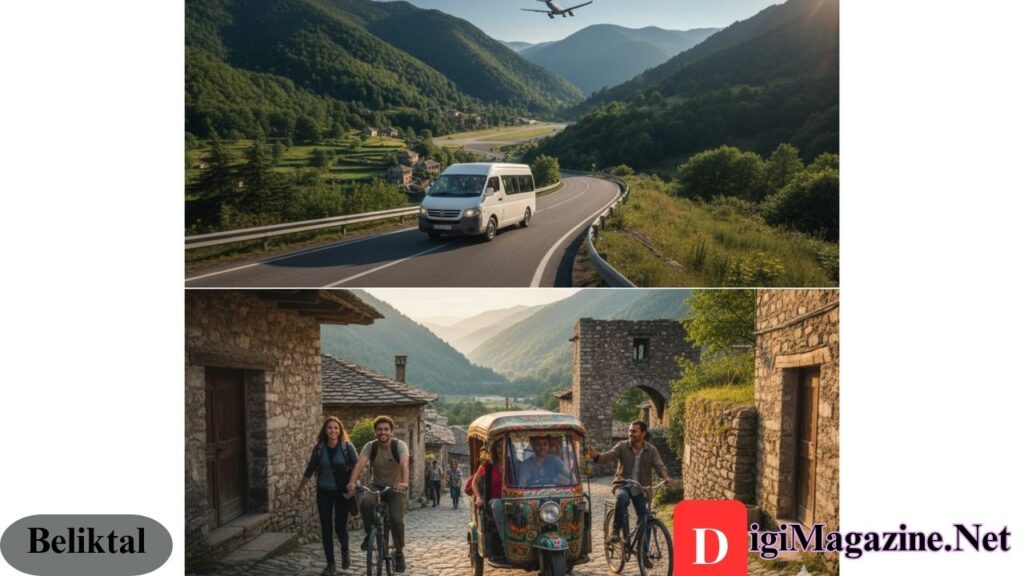
The region occupies a strategic position that has historically made it a crossroads of civilizations. Surrounded by majestic mountain ranges and blessed with water resources, the area enjoys a geographical advantage that contributes to both its beauty and accessibility.
How to Reach Beliktal
By Air
The nearest major airport serves as the primary gateway for international and domestic travelers. From there, the journey continues through scenic routes that offer previews of the beauty awaiting visitors. Several airlines operate regular flights, making connections relatively convenient.
By Road
Road networks have improved significantly in recent years, allowing comfortable travel by private vehicle or hired transportation. The drive itself becomes part of the adventure, with winding roads offering spectacular vistas at every turn. Well-maintained highways connect the destination to major cities, though travelers should prepare for mountain driving conditions.
Public Transportation Options
Local bus services provide affordable alternatives for budget-conscious travelers. While journeys may take longer, they offer authentic experiences and opportunities to interact with locals. Shared vans and minibuses also operate on popular routes, combining affordability with reasonable comfort.
Getting Around Once There
Local transportation includes taxis, auto-rickshaws, and bicycle rentals for short distances. Many visitors prefer hiring local guides who double as drivers, providing transportation while sharing invaluable insights about the area. Walking remains the best way to explore village centers and historical sites.
Historical Background

Ancient Civilizations
Archaeological evidence suggests human settlement in this region dates back millennia. Connections to the Indus Valley Civilization indicate that ancient peoples recognized the area’s strategic and agricultural value. Excavations have revealed pottery, tools, and structures that illuminate daily life from those distant times.
Mughal Empire Influence (1526-1857 CE)
The Mughal period left an indelible mark on the region’s architecture, culture, and administrative systems. Emperors and their representatives commissioned magnificent structures that still stand today. The fusion of Persian, Central Asian, and local architectural styles created a unique aesthetic that characterizes many historical buildings.
During this era, the area flourished as a center of trade and culture. Artists, craftsmen, and scholars gathered here, contributing to a golden age of creative and intellectual achievement that resonates through modern cultural practices.
Evolution from Settlement to Modern Destination
The transition from a quiet settlement to a recognized destination happened gradually. As infrastructure improved and word spread about the region’s attractions, travelers began seeking out its unique offerings. Local communities adapted to tourism while maintaining their cultural identity, creating a sustainable model that benefits both visitors and residents.
Archaeological Significance
Ongoing archaeological work continues to reveal new insights about the region’s past. Sites scattered throughout the area provide tangible connections to various historical periods. Researchers have uncovered evidence of continuous habitation, showing how successive civilizations built upon and learned from their predecessors.
Natural Beauty & Landscapes

Lakes and Rivers
Beliktal Lake Highlights
The lake stands as the crown jewel of natural attractions. Its crystal-clear waters reflect the surrounding mountains, creating postcard-perfect scenes that captivate photographers and nature lovers. The shoreline offers numerous vantage points, each presenting different perspectives on the landscape.
Local legends attribute mystical properties to the waters, and visitors often describe a sense of peace that settles over them when spending time by the lake. Sunrise and sunset transform the scene into something almost otherworldly, with colors dancing across the water’s surface.
Water Activities Available
The lake supports various recreational activities throughout the warmer months. Gentle currents make it suitable for swimming in designated areas, while deeper sections attract fishing enthusiasts. The calm waters also provide ideal conditions for those seeking peaceful boat rides or more active kayaking adventures.
Mountains and Valleys
Scenic Viewpoints
Mountain trails lead to overlooks that reveal the full grandeur of the landscape. Some viewpoints require strenuous hikes, rewarding effort with panoramic vistas that stretch to the horizon. Others remain accessible to casual visitors, ensuring everyone can appreciate the region’s topographical drama.
Lush Green Landscapes
Valleys carpeted in vegetation create striking contrasts with rocky mountain faces. Seasonal changes paint the landscape in different palettes, from spring’s fresh greens to autumn’s golden hues. Agricultural terraces demonstrate how communities have harmoniously integrated farming with natural contours.
Flora and Fauna
Wildlife Diversity
The region’s varied ecosystems support numerous species, some found nowhere else. Mammals range from small rodents to larger creatures that roam higher elevations. Careful observation rewards visitors with sightings of animals going about their natural behaviors in protected habitats.
Bird Watching Opportunities
Avian enthusiasts find paradise here, with both resident and migratory species creating dynamic birdwatching opportunities. Dawn and dusk bring increased activity, as birds engage in feeding and social behaviors. Local guides can point out rare species and explain their roles in local ecosystems.
Nature Reserves
Protected areas ensure that wildlife and plant species receive the necessary conservation attention. These reserves also serve educational purposes, helping visitors understand ecosystem interdependencies. Well-maintained trails allow respectful observation without disturbing natural processes.
Cultural Heritage
Traditional Festivals and Celebrations
Spring Festival
The arrival of spring triggers joyous celebrations that bring entire communities together. Traditional music fills the air while dancers perform ancient routines passed down through generations. The festival celebrates renewal, with symbolic rituals that honor agricultural cycles and natural abundance.
Harvest Celebration
When crops reach maturity, gratitude finds expression through harvest festivities. Families share the fruits of their labor, and communities reaffirm bonds strengthened through collective agricultural work. Traditional foods prepared from fresh harvests become the centerpieces of communal feasts.
Annual Music Festival
Musicians from surrounding areas converge for performances that showcase regional musical traditions. Instruments unique to the area produce distinctive sounds that reflect cultural evolution over centuries. The festival has gained recognition beyond local borders, attracting ethnomusicologists and world music enthusiasts.
Eid al-Fitr
Religious celebrations bring special significance, with Eid al-Fitr marking the end of Ramadan. Communities gather for prayers, followed by festive meals and family visits. The atmosphere combines spiritual reflection with joyous celebration, offering visitors respectful glimpses into important traditions.
Basant (Kite-Flying Tradition)
Spring skies fill with colorful kites as communities participate in this beloved tradition. The activity brings together people of all ages, with friendly competitions adding excitement. Traditional music and special foods accompany the festivities, creating complete sensory experiences.
Local Arts and Crafts
Hand-Woven Textiles
Textile traditions represent some of the most valued artistic expressions. Artisans work with natural fibers and traditional dyes to create intricate patterns that carry cultural significance. Each piece requires weeks or months of painstaking work, making them treasured possessions and meaningful souvenirs.
Carved Woodwork
Master craftsmen transform local woods into functional objects and decorative pieces that demonstrate exceptional skill. Geometric patterns and natural motifs reflect both Islamic artistic influences and local design sensibilities. Workshops welcome visitors interested in observing or learning basic techniques.
Pottery
Clay from nearby deposits becomes raw material for potters who shape both utilitarian and artistic pieces. Traditional firing methods produce distinctive finishes that modern kilns cannot replicate. Some pottery styles have remained unchanged for generations, maintaining direct links to ancient practices.
Music and Dance Traditions
Musical heritage encompasses both religious and secular traditions. Instruments include stringed varieties, percussion, and wind instruments that produce characteristic regional sounds. Dance forms range from celebratory group performances to more formal presentations that tell stories through movement.
Language and Communication
The local language carries linguistic features that fascinate scholars while potentially challenging visitors. However, hospitality transcends language barriers, with locals finding creative ways to communicate with travelers. Learning basic phrases enriches interactions and demonstrates respect for cultural traditions.
Historical Sites & Landmarks
Beliktal Fort
The fort dominates the landscape, its imposing walls speaking to strategic military importance throughout history. Architecture combines defensive functionality with aesthetic considerations, resulting in structures that impress both structurally and visually. Exploring the fort’s levels reveals how defenders organized their positions while accessing spectacular views.
Shahi Mosque
This architectural masterpiece showcases the finest elements of religious architecture from its construction period. Intricate tile work, calligraphy, and structural innovations demonstrate the skills of master builders and artists. The mosque continues serving its religious function while welcoming respectful visitors who wish to appreciate its beauty.
Tombs of Sufi Saints
Spiritual significance draws pilgrims to these resting places of revered religious figures. The tombs’ architectural styles reflect periods when they were constructed, some simple and others elaborately decorated. Visitors should observe respectful behavior, recognizing these sites’ profound importance to believers.
National Museum
Collections housed here span archaeological finds, historical artifacts, and cultural objects that illuminate the region’s complex history. Exhibits use modern presentation techniques to make historical information accessible and engaging. The museum serves as an essential stop for anyone seeking a deeper understanding of local heritage.
Beliktal Gardens
Landscape design principles create harmonious outdoor spaces where visitors can relax while appreciating horticultural artistry. Gardens incorporate native plants alongside species introduced over centuries of cultural exchange. Seasonal changes ensure that gardens present different aspects throughout the year.
Ancient Ruins
Scattered archaeological sites preserve remnants of earlier settlements and structures. While some remain partially buried awaiting excavation, others have been carefully exposed and stabilized for visitor access. Interpretive signage helps non-specialists understand what they’re observing and its historical context.
Outdoor Activities & Adventures
Hiking and Trekking Trails
Difficulty Levels
Trail systems accommodate everyone from casual walkers to experienced mountaineers. Easy paths meander through valleys with minimal elevation changes, perfect for families or those seeking gentle exercise. Moderate trails introduce steeper sections and rougher terrain, while challenging routes test stamina and technical skills.
Popular Routes
Several signature trails have gained recognition among hiking communities. These routes combine natural beauty with interesting cultural or historical elements encountered along the way. Trail markers and maps help prevent navigation issues, though hiring local guides adds valuable context and enhances safety.
Water Sports
Fishing
Local waters support fish populations that attract both subsistence and sport fishing. Regulations protect breeding seasons and endangered species while allowing sustainable fishing practices. Experienced anglers appreciate the challenge of catching native species using traditional or modern techniques.
Swimming
Designated swimming areas provide safe enjoyment of refreshing waters during warmer months. Natural swimming holes offer more adventurous alternatives for confident swimmers. Water temperature varies seasonally, with late summer providing the warmest conditions.
Kayaking
Paddlers can explore waterways from unique perspectives, accessing coves and channels impossible to reach otherwise. Calm conditions suit beginners, while more challenging routes test experienced kayakers. Rental facilities provide equipment and basic instruction for those new to the sport.
Boat Rides
Traditional boats offer leisurely ways to experience water environments. Local boatmen share knowledge about the lake’s ecology and history while navigating familiar waters. Sunset rides prove particularly popular, combining beautiful light with comfortable temperatures.
Camping Locations
Established campgrounds provide facilities for comfortable outdoor stays, with sites ranging from basic to well-equipped. Backcountry camping permits allow experienced outdoors enthusiasts to access remote areas, though proper preparation and equipment become essential. Star-filled skies far from light pollution create magical nighttime experiences.
Bird Watching Expeditions
Organized expeditions led by knowledgeable guides maximize chances of spotting diverse species. Early morning outings coincide with peak bird activity, while migration seasons bring additional species passing through. Proper binoculars and field guides enhance the experience, though guides typically provide equipment.
Wildlife Watching
Patient observation in appropriate locations yields wildlife sightings that thrill nature enthusiasts. Ethical wildlife watching maintains respectful distances and avoids disturbing natural behaviors. Dawn and dusk present optimal viewing times when animals emerge for feeding and social activities.
Photography Opportunities
Photographers find endless subjects, from grand landscapes to intimate cultural moments. Golden hour lighting transforms already beautiful scenes into extraordinary images. Respectful photography practices include asking permission before photographing people and being sensitive about religious or private spaces.
Local Cuisine
Traditional Dishes
Biryani
This celebrated dish represents culinary tradition at its finest, with rice, meat, and aromatic spices combined through precise cooking methods. Regional variations incorporate local ingredients and techniques, creating distinctive flavors. Sharing biryani during celebrations reinforces its cultural significance beyond mere sustenance.
Kebabs
Grilled meat preparations showcase spice mastery and cooking techniques perfected over generations. Different kebab styles offer varied textures and flavor profiles, from tender seekh kebabs to robust tikka preparations. Street vendors and fine restaurants alike take pride in their kebab offerings.
Regional Specialties
Unique dishes found nowhere else reflect local ingredients and culinary creativity. These specialties might incorporate unusual combinations or traditional recipes kept within families for generations. Trying regional dishes provides delicious introductions to cultural distinctiveness.
Local Desserts (Kulfi)
This frozen dessert predates modern ice cream, offering dense, creamy sweetness flavored with cardamom, saffron, or pistachios. Traditional preparation methods and natural ingredients create authentic flavors impossible to replicate through industrial production. Kulfi vendors become destinations themselves, with loyal customers seeking their specific preparations.
Where to Eat
Dining options span street food stalls serving quick, affordable meals to restaurants offering comfortable settings and extensive menus. Family-run establishments often provide the most authentic experiences, with recipes passed through generations. Markets present opportunities to sample various foods while observing daily life.
Food Tours and Culinary Experiences
Organized food tours introduce visitors to culinary highlights while explaining cultural contexts. Cooking classes teach traditional techniques, allowing participants to recreate dishes at home. Market visits followed by cooking sessions provide a comprehensive understanding of local foodways.
Accommodation Options
Luxury Hotels
Premium properties deliver international hospitality standards while incorporating local architectural and design elements. Amenities include fine dining, spa facilities, and concierge services that arrange customized experiences. These hotels balance comfort with location, often situated to maximize scenic views.
Budget-Friendly Guesthouses
Family-run guesthouses provide affordable accommodation with personal touches that larger establishments cannot match. Hosts often share meals with guests, facilitating cultural exchange and insider knowledge. Simple but clean facilities meet basic needs while maximizing budget allocation for experiences.
Lodges
Mountain lodges serve trekkers and adventure seekers, providing necessary rest stops along challenging routes. Basic amenities focus on essentials rather than luxuries, though stunning locations compensate. Lodges create camaraderie among travelers sharing similar outdoor pursuits.
Camping Facilities
Organized campsites offer infrastructure like bathrooms, water access, and sometimes dining facilities. Equipment rentals allow camping without transporting bulky gear. Camping combines affordability with immersive nature experiences.
Tips for Booking
Early reservations secure preferred dates during peak seasons when accommodation fills quickly. Reading recent reviews provides realistic expectations about facilities and service. Direct contact with smaller properties sometimes yields better rates than booking platforms charge.
Best Time to Visit
Spring (March to May)
Spring brings mild temperatures and blooming vegetation that transforms landscapes. This season aligns with several festivals, adding cultural dimensions to visits. Comfortable weather supports all activities without summer heat or winter cold concerns.
Summer (June to August)
Summer attracts visitors seeking escape from the lower elevation heat. Higher temperatures at lake levels make water activities particularly appealing. This busy season means crowded attractions but also vibrant atmospheres with maximum services available.
Fall/Autumn (September to November)
Autumn delivers spectacular foliage colors and harvest season celebrations. Cooler temperatures suit hiking and outdoor exploration. Tourist numbers decrease after summer, allowing for more relaxed experiences at popular sites.
Winter (December to February)
Winter transforms the region with possible snowfall at higher elevations. Fewer tourists mean peaceful visits and lower accommodation rates. Cold weather requires appropriate preparation, but rewards hardy travelers with unique perspectives on familiar landscapes.
Climate Considerations
Understanding microclimates helps planning, as elevations create temperature and precipitation variations. Mountain areas experience cooler conditions and more rainfall than valleys. Weather can change rapidly in mountain environments, requiring flexibility and preparation.
Peak vs. Off-Peak Seasons
Peak seasons bring crowds, higher prices, and bustling atmospheres with maximum services operating. Off-peak periods offer affordability, tranquility, and authentic experiences as local life continues without tourist influence. Each approach has merits depending on traveler priorities.
Practical Travel Tips
What to Pack
Seasonal Clothing
Layered clothing addresses temperature fluctuations throughout the day and between elevations. Lightweight, moisture-wicking fabrics suit active pursuits, while warmer layers become essential for mornings, evenings, and higher altitudes. Rain gear provides backup against unpredictable weather.
Outdoor Gear
Sturdy hiking boots prevent injuries on rough terrain, while day packs carry essentials during excursions. Sun protection, including hats, sunglasses, and sunscreen, prevents discomfort and health risks. Water bottles and purification options ensure safe hydration.
Essentials
Basic first aid supplies address minor issues before they become problems. Copies of important documents serve as backup if originals are lost. Adapters for electrical outlets and portable chargers keep devices functional.
Local Customs and Etiquette
Dress Code
Modest clothing demonstrates respect for conservative cultural norms. Covering shoulders and knees applies in religious sites and traditional areas. Observing how locals dress provides guidance for appropriate choices.
Photography Permissions
Always request permission before photographing people, with special sensitivity around women and children. Some religious sites prohibit photography or restrict it to certain areas. Respecting these boundaries maintains positive relationships with communities.
Cultural Sensitivities
Learning basic cultural norms prevents unintentional offense. Public displays of affection may be inappropriate in conservative settings. Religious practices deserve respect even from non-believers, including during prayer times and religious holidays.
Safety Considerations
General safety standards suggest typical precautions travelers take anywhere. Secure valuables and remain aware in crowded areas. Mountain activities require appropriate preparation, physical fitness, and ideally experienced guides. Natural hazards include sudden weather changes and challenging terrain.
Budget Planning
Daily costs vary dramatically based on choices regarding accommodation, dining, and activities. Budget travelers can manage comfortably on modest amounts by using local transportation, eating at simple establishments, and staying in basic accommodations. Luxury experiences cost significantly more but remain reasonable compared to many destinations.
Travel Insurance
Comprehensive travel insurance provides peace of mind against unexpected medical issues, trip cancellations, or lost belongings. Policies should cover adventure activities if planning hiking, water sports, or similar pursuits. Emergency evacuation coverage becomes important in remote mountain areas.
Economic & Social Impact
Local Economy
Tourism Industry
Tourism has become an important economic pillar, creating employment and business opportunities. Hotels, restaurants, guide services, and shops depend on visitor spending. Balancing tourism growth with sustainability concerns represents an ongoing challenge.
Agriculture
Traditional agriculture continues to support many families, with terraced fields producing crops suited to local conditions. Some farmers have diversified into agritourism, offering farm stays and agricultural experiences. Markets provide outlets for produce and create connections between farmers and consumers.
Traditional Crafts Market
Artisan production generates income while preserving cultural heritage. International interest in authentic handcrafted goods has expanded markets beyond local sales. Fair trade initiatives help ensure artisans receive appropriate compensation for their skilled work.
Community Initiatives
Local organizations work on development projects that benefit residents while maintaining cultural integrity. Education programs prepare young people for economic opportunities without requiring urban migration. Health initiatives address community needs through improved facilities and services.
Sustainable Tourism Practices
Growing awareness of tourism impacts has sparked initiatives promoting sustainability. Waste management programs address pollution concerns from increased visitor numbers. Local businesses increasingly adopt practices that minimize environmental footprints while maintaining service quality.
Environmental Conservation Efforts
Protected areas safeguard critical ecosystems and wildlife habitats. Reforestation projects restore damaged areas and prevent erosion. Educational campaigns encourage both residents and visitors to adopt conservation-minded behaviors.
Villages & Local Communities
Exploring Surrounding Villages
Villages surrounding central tourist areas maintain traditional lifestyles relatively undisturbed by modern changes. Walking between settlements reveals agricultural practices, architectural styles, and daily rhythms unchanged for generations. Village exploration requires respectful behavior and sensitivity to privacy.
Meeting Locals
Genuine interactions with residents provide insights no guidebook can match. Many locals enjoy sharing their culture with curious, respectful visitors. Tea invitations or meal sharing create meaningful connections across cultural differences.
Traditional Lifestyle Experiences
Some families offer homestays or village experiences where visitors participate in daily activities. These might include agricultural work, craft production, or food preparation. Immersive experiences foster deep appreciation for traditional ways of life and the challenges communities face.
Community Engagement Opportunities
Volunteer programs connect travelers with community development projects. Teaching, conservation work, or construction projects allow for giving back to host communities. Such engagement should happen through established organizations, ensuring genuine benefit rather than creating dependencies.
Conclusion
Summary of Beliktal’s Appeal
This destination delivers extraordinary experiences through its combination of natural beauty, cultural richness, and adventure possibilities. Travelers find themselves transformed by landscapes that inspire awe and communities that welcome with genuine warmth. Every element contributes to memories that last lifetimes.
The region stands apart from standardized tourist destinations that feel increasingly similar regardless of location. Authenticity permeates experiences here, from home-cooked meals shared with families to ancient trails traversed by generations before. This authenticity represents the destination’s greatest asset.
Why It Remains a Hidden Gem
Despite increasing recognition, the destination retains qualities that made it special when fewer travelers knew about it. Distance from major metropolitan areas and limited mass marketing have preserved its character. Communities have consciously chosen sustainable development over rapid tourism growth that often destroys what made destinations attractive initially.
Final Recommendations for Visitors
Approaching this destination with open minds and respectful attitudes maximizes rewards for both visitors and hosts. Taking time to engage deeply rather than rushing through highlights creates richer experiences. Supporting local businesses and respecting cultural norms ensures communities benefit from tourism while maintaining their identities.
Travelers should allow flexibility in plans, as some of the best experiences happen spontaneously through unexpected encounters or discoveries. Balancing famous attractions with off-path exploration reveals dimensions that casual visitors miss. Most importantly, bringing curiosity and respect transforms a trip into a transformative journey.
FAQs
What is Beliktal known for?
The destination has gained recognition for its pristine natural landscape,s including crystal-clear lakes and dramatic mountains, combined with a rich cultural heritage expressed through festivals, crafts, and traditions. Adventure activities and historical sites add further dimensions to its appeal.
How do I get there?
Access begins through the nearest major airport, followed by road travel that takes several hours through scenic mountain routes. Alternatively, bus services provide affordable transportation, though journeys take longer. Private vehicles or hired transportation offer maximum flexibility for exploring.
What’s the best time to visit?
Spring (March-May) and autumn (September-November) offer ideal conditions with mild temperatures and special seasonal attractions. Summer suits those seeking water activities despite larger crowds, while winter appeals to travelers wanting peaceful experiences and possibly snow-covered landscapes.
What should I pack?
Layered clothing addressing temperature variations, sturdy footwear for walking and hiking, sun protection, rain gear, and basic first aid supplies form essential packing lists. Modest clothing respects local customs, while outdoor gear depends on planned activities.
What activities are available?
Activities span hiking various difficulty trails, water sports including swimming and kayaking, wildlife and bird watching, photography, cultural experiences like festival participation and craft workshops, plus historical site exploration. Something suits every interest and fitness level.
What accommodations exist?
Options range from luxury hotels offering full amenities to budget guesthouses providing basic comfort with personal touches. Mountain lodges serve trekkers, while camping facilities allow immersive nature experiences. Booking secures preferred options during busy seasons.
Is it family-friendly?
Families find plenty of suitable activities, from easy nature walks to cultural experiences that engage all ages. Swimming areas, boat rides, and interactive museums specifically appeal to children. However, some challenging hikes and adventure activities suit older children or adults better.
What’s the local language?
The regional language dominates daily communication, though some English appears in tourist areas. Learning basic phrases enhances interactions and demonstrates respect. Hospitality transcends language barriers, with locals finding creative communication methods when needed.
For more information, visit Digi Magazine.