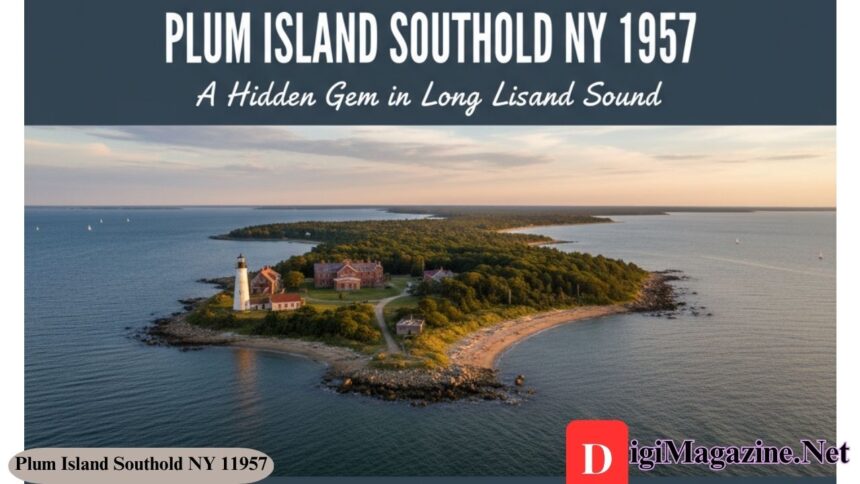
Introduction to Plum Island Southold NY 11957
Plum Island located Southold New York (ZIP code 11957), is a small yet fascinating island nestled in Long Island Sound. Stretching just 840 acres, it lies between Orient Point on Long Island and Fishers Island, Connecticut. Though it’s only about 3 miles long and 1 mile wide, this remarkable piece of land has played a significant role in U.S. history and ecology.
While the island is best known for its scientific research and military history, it’s also a sanctuary of natural beauty, wildlife, and rich ecosystems. This hidden gem continues to intrigue visitors, nature lovers, and history buffs alike. Whether someone is curious about the island’s past, its potential future, or simply wants to learn about this unique location, there’s plenty to discover about this extraordinary place.
The Rich History of Plum Island

The story of this island begins long before modern times. Native Americans were the first to recognize its strategic location and natural resources. Over the centuries, the land has witnessed remarkable transformations that reflect broader American history.
Military Heritage and Fort Terry
In 1897, the U.S. Army established Fort Terry on the island, transforming it into a coastal defense installation. The fort served as a critical military outpost protecting New York Harbor and Long Island Sound from potential naval threats. Soldiers stationed there lived in barracks, maintained artillery batteries, and kept watch over the surrounding waters.
The military presence continued until 1954, leaving behind historic buildings, fortifications, and a legacy that still stands today. These structures tell stories of soldiers who served their country during times of peace and conflict, making the island an important piece of American military heritage.
Transition to Scientific Research
After the military departed, the island found a new purpose. In 1954, the U.S. Department of Agriculture established the Plum Island Animal Disease Center, marking the beginning of a new chapter. This facility became one of the nation’s premier locations for studying foreign animal diseases that could threaten American agriculture and food security.
The research conducted there focused on protecting livestock from diseases not commonly found in the United States. Scientists worked in highly secure laboratories, studying viruses and pathogens that could devastate cattle, pigs, sheep, and other farm animals. This work, though often conducted away from public view, played a vital role in safeguarding the nation’s agricultural industry.
Understanding Plum Island NY Jobs and Employment

Throughout its operational years, the research facility provided employment opportunities for various professionals. Scientists, veterinarians, laboratory technicians, security personnel, and administrative staff all found Plum Island NY jobs that contributed to important national security work.
These positions required specialized training and often involved working with hazardous biological materials under strict safety protocols. Employees traveled to the island daily, understanding the critical nature of their work. The facility represented a unique employment opportunity in the region, offering careers that combined scientific research with public service.
Beyond direct research positions, the island’s operations also created indirect employment in the surrounding Southold community. Transportation services, supply deliveries, and maintenance work all provided additional job opportunities connected to the island’s activities.
The Plum Island NY Ferry: Gateway to the Island
Access to the island has always been carefully controlled due to its sensitive nature. The Plum Island NY ferry served as the primary transportation link between the mainland and the research facility. This ferry system was essential for transporting workers, supplies, and equipment to and from the island.
Unlike typical tourist ferries, this service operated under strict security measures. Only authorized personnel with proper clearances could board, and all cargo was carefully screened. The ferry departed from Orient Point, making the short journey across the waters of Long Island Sound several times daily during operational hours.
The ferry service represented more than just transportation—it was a lifeline connecting the isolated island to the rest of Long Island. Weather conditions could sometimes disrupt service, reminding everyone of the island’s remote nature and the challenges of maintaining operations in such a location.
Plum Island NY For Sale: Future Possibilities

One of the most intriguing developments in recent years involves the future of the land itself. With the research facility closed and operations moved to a new facility in Kansas, questions about plum island NY for sale have captured public attention and sparked considerable debate.
Federal Plans and Considerations
The federal government has explored various options for the property. Some proposals suggest selling the island to private developers, while others advocate for preservation as a nature sanctuary or public park. Environmental groups have expressed strong interest in protecting the island’s ecosystems and preventing commercial development.
The conversation around a potential sale or transfer involves multiple stakeholders. Local community members in Southold have voiced opinions about how the island should be used. Conservation organizations see an opportunity to protect valuable wildlife habitat. Historians want to preserve the military and research heritage. Each perspective adds complexity to decisions about the island’s future.
Economic and Environmental Balance
Any decision regarding the property must balance economic considerations with environmental protection. The land represents significant value, but it also contains unique ecosystems that have remained largely undisturbed for decades. Finding the right approach requires careful thought about what serves the public interest best.
Some envision the island becoming an educational center where visitors can learn about its history and ecology. Others see potential for limited residential development that could generate revenue while preserving key natural areas. The ongoing discussion reflects broader questions about how society values natural spaces versus economic development.
Isla Plum: Cultural Connections
Interestingly, the island is sometimes referred to as isla plum, reflecting the Spanish translation and highlighting its connections to diverse communities. This alternate name appears in various historical documents and cultural references, demonstrating how different groups have related to this piece of land over time.
The Spanish nomenclature reminds us that Long Island’s history includes influences from many cultures. Dutch, English, Native American, and Spanish-speaking communities have all left their marks on the region’s place names and heritage. This linguistic diversity enriches our understanding of local history.
Natural Beauty and Wildlife
Beyond its human history, the island hosts remarkable natural environments. Decades of restricted access have allowed ecosystems to flourish without significant human disturbance, creating a time capsule of Long Island’s native habitats.
Bird Populations and Migration
The island serves as an important stopover for migratory birds traveling along the Atlantic Flyway. Species that have become rare elsewhere still find refuge here. Ornithologists have documented numerous bird species nesting or resting on the island during their long journeys.
Wading birds, waterfowl, and songbirds all benefit from the island’s diverse habitats. Salt marshes provide feeding grounds, while wooded areas offer shelter. This combination makes the location particularly valuable for avian conservation.
Native Plant Communities
The vegetation includes plant species that have disappeared from many other Long Island locations due to development and human activity. Native grasses, wildflowers, and shrubs create a landscape that resembles what early settlers might have encountered centuries ago.
These plant communities support insects, small mammals, and other wildlife that depend on native species for food and shelter. Preserving these ecosystems provides benefits that extend far beyond the island itself, maintaining genetic diversity and ecological connections throughout the region.
Current Status and Access
Today, the island remains off-limits to general public access. The property sits in a state of transition as federal officials determine its ultimate fate. The buildings and infrastructure from decades of research operations still stand, silent witnesses to the island’s recent past.
Security measures continue to restrict unauthorized visitors, though occasional tours have been offered to researchers, journalists, and officials. These limited access opportunities provide glimpses of what makes the location so special while maintaining necessary protections.
Community Impact on Southold
For residents of Southold and the surrounding North Fork communities, the island represents both a neighbor and a mystery. Its presence has shaped local identity, economy, and conversation for generations.
Local Perspectives
Many locals remember when friends and family members worked at the facility, bringing home stories about their important but secretive work. The island was simultaneously familiar and foreign—visible from shore yet inaccessible to most.
Community members have strong opinions about what should happen next. Some hope for conservation that would allow limited public access for education and recreation. Others see economic opportunities that could benefit local businesses and property values. These discussions continue in town halls, community meetings, and local publications.
Economic Considerations
The facility’s presence provided economic benefits through employment and related spending. Its closure removed jobs and economic activity from the area. Whatever comes next will have economic implications that the Southold community watches carefully.
Tourism related to the island’s history or natural features could provide new revenue streams. Educational programs might attract visitors interested in ecology or history. The possibilities generate both excitement and concern among local stakeholders.
Myths, Legends, and Popular Culture
Like many mysterious places, the island has attracted its share of conspiracy theories and urban legends. Some people have speculated about secret experiments, government cover-ups, and connections to disease outbreaks. While most of these stories lack a factual basis, they demonstrate how restricted access and scientific research can fuel public imagination.
The island has appeared in books, articles, and documentaries exploring various theories. Separating fact from fiction requires looking at credible sources and understanding the actual research conducted there. The reality of the facility’s work—protecting American agriculture from foreign animal diseases—is less sensational but more important than fictional alternatives.
Looking Toward the Future
The next chapter in the island’s story remains unwritten. Whatever decisions are made will affect not just the land itself but the entire region’s character and ecology.
Conservation Opportunities
Environmental advocates see tremendous potential for protecting rare habitats and creating a living laboratory for ecological research. The island could serve future generations as a place to study coastal ecosystems, climate change impacts, and wildlife conservation.
Educational Possibilities
Historians and educators envision programs that could teach visitors about military history, scientific research, and environmental stewardship. The buildings and landscapes offer tangible connections to important aspects of American history that deserve preservation and interpretation.
Balanced Development
Some proposals suggest limited, carefully planned development that could generate revenue while preserving the most ecologically and historically significant areas. Finding this balance would require thoughtful planning and strong protections against overdevelopment.
Conclusion
Plum Island Southold NY 11957 represents a unique piece of American heritage. From its military origins to its role in agricultural research, from its rich ecosystems to its uncertain future, this small island contains stories and significance far beyond its modest size.
As decisions about its future unfold, the island stands as a reminder of how humans and nature intersect. Whether it becomes a nature preserve, educational center, or some combination of uses, this remarkable place will continue to fascinate those who learn its stories and appreciate its unique character.
The ongoing conversation about the island’s future reflects broader questions facing communities everywhere: How do we balance preservation with development? How do we honor history while meeting present needs? How do we protect natural treasures for future generations? The answers that emerge for this small island may offer lessons that extend far beyond Long Island Sound.
For more information, visit Digi Magazine.